Image 1 of 2
 Image 2 of 2
Tolu Resinoid – Natural Balsamic Fixative Ingredient Overview
🏭 Manufacturer — Various (standardized solvent extraction)
🔍 Botanical Name — Myroxylon balsamum (L.) Harms var. balsamum
🧪 Common Names — Tolu Balsam Resinoid, Tolu Balsam Absolute, Tolu Resin Absolute, Purified Tolu
🌿 Plant Family — Fabaceae (Leguminosae)
🧬 Chemical Family — Natural balsamic resin (complex mixture of esters, acids, phenolics)
📂 CAS Number — 9000-64-0 (Tolu balsam resinoid), 8013-12-5 (related extracts)
📘 FEMA Number — 3063
⚖️ Molecular Weight — Complex mixture (no single molecular weight)
🔬 Solubility — Soluble in 95% ethanol, benzene, acetone, chloroform; insoluble in petroleum ether
📝 Odor Type — Balsamic, sweet, cinnamic
📈 Odor Strength — Medium-high
👃🏼 Odor Profile — Sweet-balsamic, cinnamic-warm, vanillic, woody, faintly floral with hyacinth nuances
⚗️ Primary Uses — Fixative, base note in Oriental, Chypre, Amber, exotic floral accords
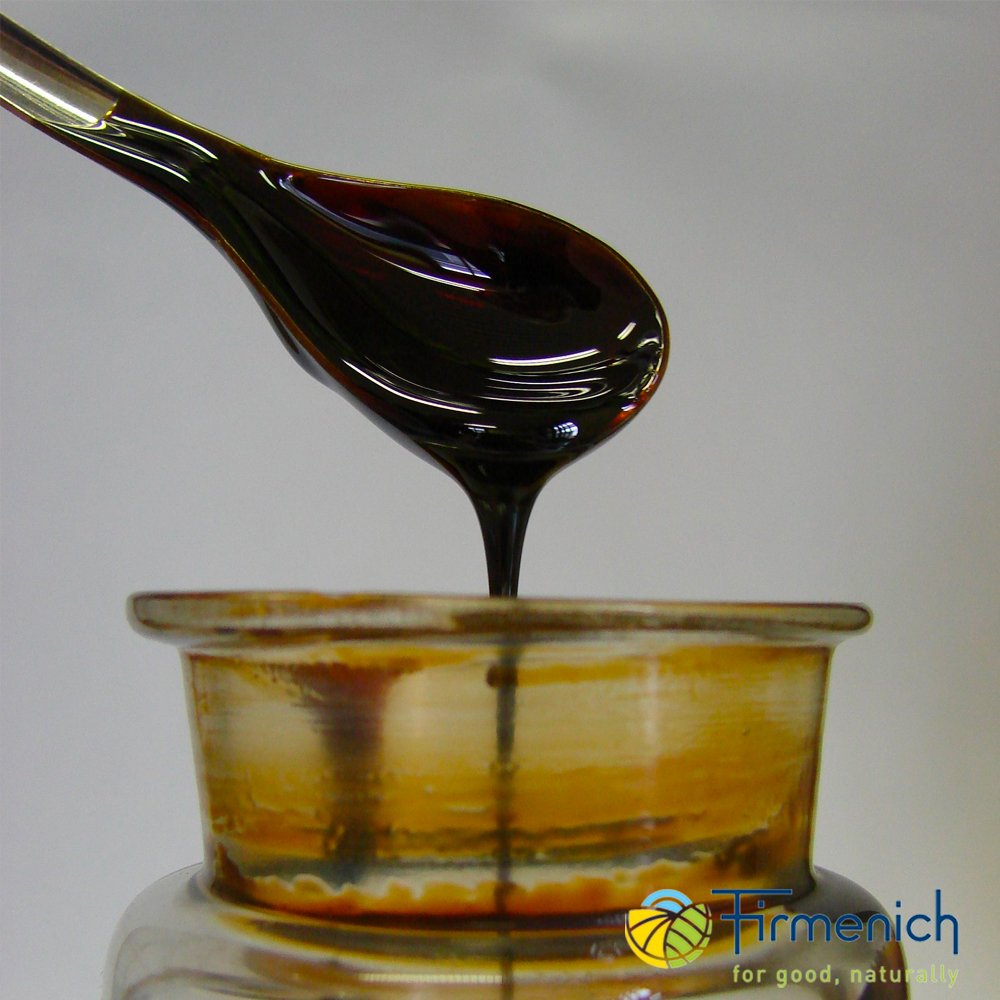
🧴 Appearance — Dark orange-brown to brown semi-solid resinous mass; viscous at room temperature
What is Tolu Resinoid?
Tolu Resinoid is a solvent-extracted aromatic concentrate derived from Tolu Balsam, the pathological oleoresin exuded from bark incisions made in Myroxylon balsamum var. balsamum, a tall tree native to the tropical jungles of northern South America. The primary sources are Colombia and Venezuela, with the tree also growing wild in Cuba. The name "Tolu" originates from Santiago de Tolú, a coastal town in Colombia where the balsam was historically collected and traded (Arctander, 1960).
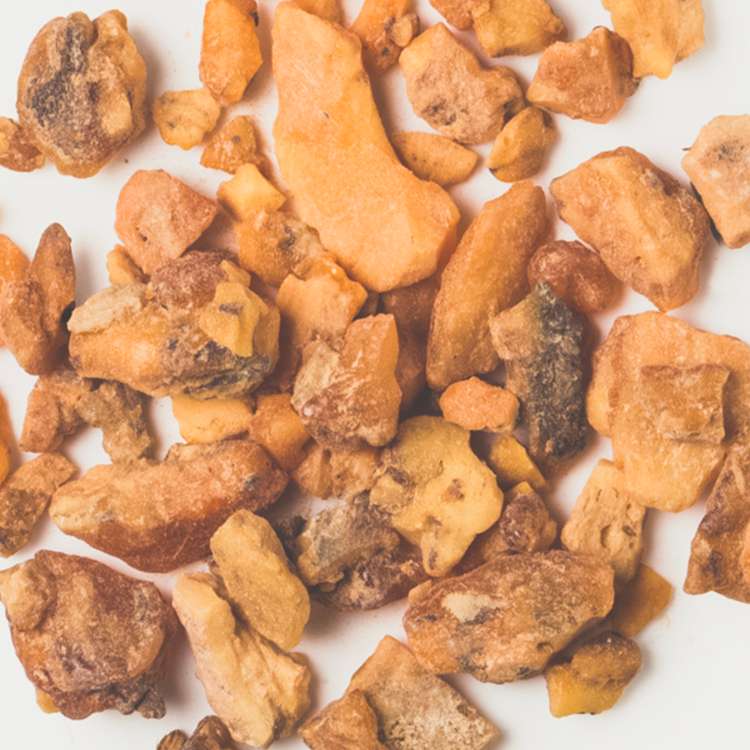
The raw balsam flows as a viscous liquid from deliberate bark wounds and slowly solidifies through oxidation and exposure to air. When fresh, it is a brown to dark yellowish-brown brittle mass with a glasslike fracture when cold, becoming plastic with hand warming and pourable at approximately 60°C. The crude balsam itself contains very low percentages of essential oil (qualifying it more accurately as a "balsamic resin" rather than a true oleoresin), which is why processed forms are preferred in perfumery.
Production Process: Tolu Resinoid is produced by extracting the crude balsam with volatile solvents—most commonly benzene, ethanol, acetone, or methylene chloride—followed by dewaxing and, optionally, neutralization. The choice of solvent significantly influences the final product's characteristics:
Benzene extraction yields what is commercially termed "Tolu Resinoid"
Alcohol extraction produces 65-90% yield, sold as "Tolu Balsam Absolute," "Resin Absolute Tolu," or "Purified Tolu"
Neutralized extracts (alkali-washed) remove free cinnamic and benzoic acids, creating light-colored, soap-compatible materials
Chemical Composition: Tolu Resinoid is a complex natural mixture composed primarily of:
Cinnamic acid and esters (benzyl cinnamate, cinnamyl cinnamate)
Benzoic acid and esters (benzyl benzoate, cinnamyl benzoate)
Vanillin (contributing sweet-balsamic warmth)
Minor phenolic and terpenic fractions
Unlike Peru Balsam (Myroxylon pereirae), Tolu Resinoid exhibits softer, sweeter aromatic warmth with less earthy, smoky, or heavy character. Its profile evokes tonka bean, cinnamon, and vanilla-like balsamic nuances, making it more suitable for delicate floral and citrus-based compositions (Surburg & Panten, 2006).
Historical Background
The use of Tolu Balsam dates back centuries to indigenous South American cultures in Colombia and Venezuela, where it was valued for its aromatic, medicinal, and ceremonial properties. Native peoples applied the balsam topically to wounds due to its antiseptic qualities and used it in traditional healing practices for respiratory ailments.
European Introduction: Spanish colonizers encountered Tolu Balsam in the early 16th century during their exploration of the Caribbean coast of present-day Colombia. The balsam was named after the port town of Santiago de Tolú (founded 1535), through which the material was exported to Europe. By the late 16th and early 17th centuries, Tolu Balsam had entered European apothecaries and was documented in pharmacopoeias for its medicinal applications.
Medicinal Legacy: Throughout the 18th and 19th centuries, Tolu Balsam was extensively used in pharmaceutical preparations, particularly:
Aromatic cough syrups (Syrupus Tolutanus) for respiratory conditions
Antiseptic balms for wound treatment
Aromatic expectorants combined with opiates for tuberculosis treatment
Tincture of Tolu as a preservative and flavoring agent in medicines
This pharmacological heritage persists in the olfactory associations of Tolu Resinoid with warmth, sweetness, comfort, and healing—qualities that perfumers exploit in creating "comforting" or "nostalgic" fragrance effects.
Entry into Modern Perfumery: By the late 19th and early 20th centuries, as perfumery industrialized and shifted toward solvent extraction techniques, Tolu Balsam Resinoid emerged as a valuable fixative material. The development of benzene and alcohol extraction methods (replacing simple tinctures) allowed perfumers to access concentrated aromatic principles without the excessive fats and waxes present in crude balsam.
Steffen Arctander (1960) documented annual world production at approximately 100 metric tons, noting that post-World War II material was considered significantly different from and inferior to pre-war Tolu Balsam. He observed the proliferation of "de-aromatized" Tolu Balsam on the market—exhaust material from pharmaceutical syrup production that retained appearance but lacked aromatic potency.
Contemporary Status: Today, Colombia remains the primary source of authentic Tolu Balsam, with production centered in coastal regions. The material is standardized through modern extraction and quality control, though variability persists based on tree origin, harvest method, and processing technique. Tolu Resinoid continues to serve as an essential fixative in fine perfumery, prized for its soft, rounded balsamic character that distinguishes it from the heavier Peru Balsam.
Olfactory Profile
Scent Family
Primary: Balsamic, Sweet-Resinous
Secondary: Cinnamic, Vanillic, Woody
Main Descriptors
Primary: Sweet-balsamic, warm, cinnamic-spicy
Secondary: Vanillic-creamy, faintly floral (hyacinth-like), woody-ambery
Tertiary: Soft powdery undertones, slight prune-like sweetness, comforting warmth
Tolu Resinoid delivers a rounded, enveloping balsamic sweetness characterized by prominent cinnamic warmth (reminiscent of cinnamon bark) and creamy vanillin undertones. Unlike the sharper, smokier Peru Balsam, Tolu is softer and more transparent, with a delicate floral quality that Arctander compared to hyacinth. Its sweetness is rich but not cloying, evoking tonka bean, dried fruits, and warm spices.
Intensity
Medium-high. Tolu Resinoid is highly concentrated and potent, effective at 0.5-5% in perfume concentrates. At lower concentrations (0.5-2%), it provides subtle fixative warmth; at higher levels (3-5%), it becomes a dominant balsamic signature.
Tenacity
Exceptional. As a resinous fixative, Tolu Resinoid exhibits outstanding longevity, persisting for 24+ hours on blotters and significantly extending the wear time of volatile materials when used in compositions. Its low volatility ensures it remains perceptible throughout the entire fragrance lifecycle.
Volatility
Base note with extremely low volatility. The high molecular weight esters (benzyl and cinnamyl derivatives) and resinous acids evaporate very slowly, making Tolu Resinoid ideal for anchoring and fixing more volatile top and heart notes.
Fixative Role
Tolu Resinoid functions as a classic natural fixative by:
Slowing the evaporation rate of volatile ingredients through molecular bonding
Adding substantial olfactory weight and depth to base notes
Enhancing diffusion and radiance of floral and citrus materials
Providing a warm, sweet foundation that harmonizes disparate elements
Applications in Fine Fragrance
Tolu Resinoid serves as both an olfactory base note and a functional fixative across multiple fragrance families:
Oriental Perfumes: Essential for ambery, gourmand, and spiced blends; pairs with vanilla, benzoin, and labdanum
Chypré Compositions: Provides supportive balsamic warmth beneath oakmoss, patchouli, and bergamot structures
Exotic Florals: Enhances ylang-ylang, heliotrope, carnation, gardenia, and tuberose with rich, sweet depth
Amber Blends: Core ingredient alongside benzoin, opoponax, and Peru balsam for classic amber accords
Citrus Colognes: Fixative that extends volatile citrus oils while adding warm, sweet balsamic drydown
Notable Pairing Synergies:
With hydroxycitronellal, linalool, sandalwood: Floral-woody transparency
With isoeugenol, heliotropine, mimosa absolute: Powdery-floral effects
With ylang-ylang, orange blossom, opopanax: Exotic floral richness
With bergamot, styrax, labdanum: Classic chypré foundations
With ionones, musks, patchouli, cedarwood ketones: Powdery-woody depth (Arctander, 1960)
Typical Usage: 0.5-5% in fine fragrance concentrates; 1-3% for optimal fixative effect without overwhelming other notes.
Performance in Formula
Dosage and Application
Recommended Range: 0.5-2% for subtle fixative warmth; 2-5% for pronounced balsamic character
Maximum: Generally kept below 5% to prevent excessive sweetness and potential overwhelming of delicate florals
Soap Perfumery: Neutralized Tolu extracts preferred at 2-5% for alkaline compatibility
Solubility and Handling
Alcohol Solubility: Almost completely soluble in 95% ethanol
Oil Solubility: Soluble in most perfume materials but may cause turbidity with citrus oils, pine needle oils
Viscosity: Semi-solid at room temperature; warming to 40-60°C facilitates blending
Dilution: Often pre-diluted to 50% in ethanol or DPG for easier dosing
Formulation Behavior
Acid Reaction: Alcoholic solutions are acidic to litmus due to free cinnamic and benzoic acids
Soap Compatibility: Standard resinoid can interfere with alkalinity; neutralized versions prevent acid hydrolysis of delicate materials
Color Contribution: Imparts orange-brown tint; use cautiously in light-colored compositions
Fixative Mechanism: High-boiling esters slow evaporation; resinous matrix traps volatile molecules
Stability and Aging
Oxidation: Stable under normal storage; minimal degradation over time
Temperature: Remains viscous at room temperature; becomes pourable at 60°C
Light Sensitivity: Minimal; can darken slightly with prolonged light exposure
Storage: Store in sealed containers away from heat; no special requirements
Industrial & Technical Uses
Perfumery and Cosmetics
Fine fragrances (Oriental, chypré, amber, exotic florals)
Functional perfumery (soaps—especially neutralized grades, lotions, creams)
Perfumed candles and incense blends (resinous fixative and character)
Room fragrances and potpourri (long-lasting ambient scent)
Flavor Industry
FEMA 3063 approved for food use at trace levels
Vanilla, spice, and cola-type flavor bases
Baked goods flavoring (heat-stable fixative for caramel notes)
Rum and spirit flavorings (fixes volatile alcohol aromatics)
Traditional and Pharmaceutical
Aromatic syrups (cough suppressant formulations—historical use)
Antiseptic balms and ointments (topical wound care—traditional)
Expectorant preparations (respiratory therapy—largely replaced by synthetics)
Compound tinctures and aromatic elixirs
Historical Industrial Uses
Specialty coatings and adhesives (resinous binder—rare in modern applications)
Lithographic inks and varnishes (aromatic resin component)
Regulatory & Safety Overview
IFRA Status: Not restricted under IFRA Standards 51st Amendment (2024). Standard safety assessments apply (IFRA, 2024).
EU Cosmetics Regulation (EC) No 1223/2009: Permitted in cosmetic products. Declarable allergens that may be present in Tolu Resinoid include:
Benzyl benzoate (must be labeled if >0.001% in leave-on or >0.01% in rinse-off)
Cinnamic acid / Cinnamyl alcohol / Cinnamaldehyde (declarable if above thresholds)
Vanillin (not a declarable allergen but contributes to sensitization potential)
FEMA GRAS Status: 3063 – Approved for use in food flavoring at trace concentrations. No established ADI (Acceptable Daily Intake) limits for typical flavoring use.
REACH / ECHA: Registered as a natural complex substance. Not classified as hazardous under CLP regulation for normal perfumery applications.
Toxicology:
No significant acute toxicity reported
Potential for contact sensitization at high concentrations (particularly in leave-on products)
Skin irritation possible in sensitive individuals
Phototoxicity not reported
No known reproductive or developmental toxicity
Usage Recommendations:
Suitable for use in perfumery at typical concentrations (0.5-5%)
Conduct patch testing for leave-on products at >2% concentration
Avoid excessive use in products for sensitive skin
Neutralized grades preferred for soap perfumery to prevent pH interference
✅ Tolu Resinoid is considered safe for perfumery and flavor applications when used within established guidelines and labeled appropriately for allergenic constituents.
References
Arctander, S. (1960). Perfume and flavor materials of natural origin (pp. 651-654). Published by the author.
European Cosmetics Regulation (EC) No 1223/2009. Regulation on cosmetic products. Retrieved from https://eur-lex.europa.eu/
International Fragrance Association (IFRA). (2024). IFRA Standards – 51st Amendment. Retrieved from https://ifrafragrance.org/safe-use/standards-documentation
Surburg, H., & Panten, J. (2006). Common fragrance and flavor materials: Preparation, properties and uses (5th ed., p. 221). Wiley-VCH.
U.S. Food and Drug Administration (FDA). (n.d.). FEMA GRAS Database: Entry 3063. Flavor and Extract Manufacturers Association. Retrieved from https://www.femaflavor.org/