Image 1 of 2
 Image 2 of 2
Technical Ingredient Overview
🏭 Manufacturer — Commonly produced for flavor/aroma industry
🔎 IUPAC Name — 2,6-Dimethoxyphenol
🧪 Synonyms — Syringol, 2,6-Dimethoxy-1-hydroxybenzene, Pyrogallol 1,3-dimethyl ether, DMP
🧬 Chemical Formula — C₈H₁₀O₃
📂 CAS Number — 91-10-1
📘 FEMA Number — 3137
🇪🇺 EC Number — 202-041-1
⚖️ Molecular Weight — 154.16 g/mol
🌡️ Melting Point — 50-57°C
🌡️ Boiling Point — 261°C
📝 Odor Type — Smoky / Phenolic
📈 Odor Strength — High
👃🏼 Odor Profile — Intense smoky, phenolic, woody, bacon-like with balsamic and powdery nuances
⚗️ Uses — Tobacco, leather, incense bases; smoky modifiers in savory-gourmand and whisky-inspired compositions
🧴 Appearance — Off-white to dark brown crystalline solid
💧 Solubility — Soluble in alcohol, ether, acetone, methanol; slightly soluble in water (20 mg/ml)
What is Syringol?
Syringol is a dimethoxylated phenol, structurally related to guaiacol and eugenol, produced through pyrolytic degradation of lignin or synthesized from veratrole derivatives. It is one of the principal volatile compounds in natural wood smoke, representing a signature aromatic component in smoke aroma profiles. The molecule derives its name from syringin, a glycoside isolated from Syringa vulgaris (common lilac), due to their structural similarity.
Naturally occurring in wood smoke, Syringol is formed specifically through thermal decomposition of the sinapyl alcohol component of lignin during pyrolysis. It is particularly abundant in smoke from hardwood sources, as hardwood lignin contains higher proportions of syringyl units compared to softwood lignin (which yields primarily guaiacol derivatives). This makes Syringol a key reference compound in both flavoring systems and olfactory reconstructions of smoke effects.
Historical Background
Syringol was first identified as a lignin pyrolysis product in the early 20th century during studies of wood combustion chemistry. Its role as a principal aromatic constituent of smoke became established through research into wood smoke composition for food preservation and flavoring applications. The compound gained commercial significance in the mid-20th century with the development of liquid smoke flavorings, where it typically comprises 13-14% of commercial smoke products by mass, alongside guaiacol.
In perfumery, Syringol's adoption has been more recent, primarily within niche and artisanal fragrance circles focused on realistic smoke, leather, and incense reconstructions. Its intense phenolic character and high olfactory impact make it a specialist ingredient rather than a mainstream perfumery material.
Olfactory Profile
Scent Family
Smoky-phenolic with woody-balsamic undertones
Main Descriptors
Top Note: Harsh phenolic smoke, immediately recognizable burnt character
Heart Note: Woody-charred, bacon-like, balsamic with medicinal nuances
Base Note: Sweet-powdery dryout with faint resinous quality
Detailed Character:
Syringol delivers intensely smoky, phenolic notes that evoke charred wood, burnt sugar, bacon, and smoked meats. At low concentrations (1-10 ppm), it exhibits smoky, woody, and cedar characteristics. Higher concentrations reveal musty, earthy, and pungent attributes. The compound is notably less harsh than pure guaiacol, offering a rounder, more balsamic smoke quality.
Differentiation from Guaiacol:
While structurally related, Syringol is considered the primary aroma contributor in smoke (responsible for smoky scent), whereas guaiacol contributes more to smoke taste. Syringol's additional methoxy group provides greater sweetness and less medicinal harshness than guaiacol.
Intensity & Volatility
Odor Strength: Very high; effective at trace concentrations
Volatility: Moderate; functions primarily as top-to-heart note modifier
Tenacity: High persistence with long-lasting phenolic character
Impact: Immediate recognition of smoke quality
Applications in Fine Fragrance
Functional Roles:
Smoky booster for tobacco, charcoal, incense, and oud accords
Balsamic/phenolic depth in leather compositions
Specialty note in smoky gourmands, whisky, and liquorice profiles
Realistic charred-wood effects in niche perfumery
Burning incense reconstructions
Usage Guidelines:
Used sparingly for effects rather than volume. Syringol is a high-impact modifier requiring careful dosage control.
Typical Concentrations:
Fine Fragrance: 0.001-0.1% (trace to moderate impact)
Specialty/Niche: Up to 0.5% for extreme smoke effects
Functional Products: Variable based on desired intensity
Synergistic Combinations:
Guaiacol, Creosol, Methylguaiacol: Authentic smoke complexity
Isobutyl Quinoline, Birch Tar: Enhanced leather-smoke effects
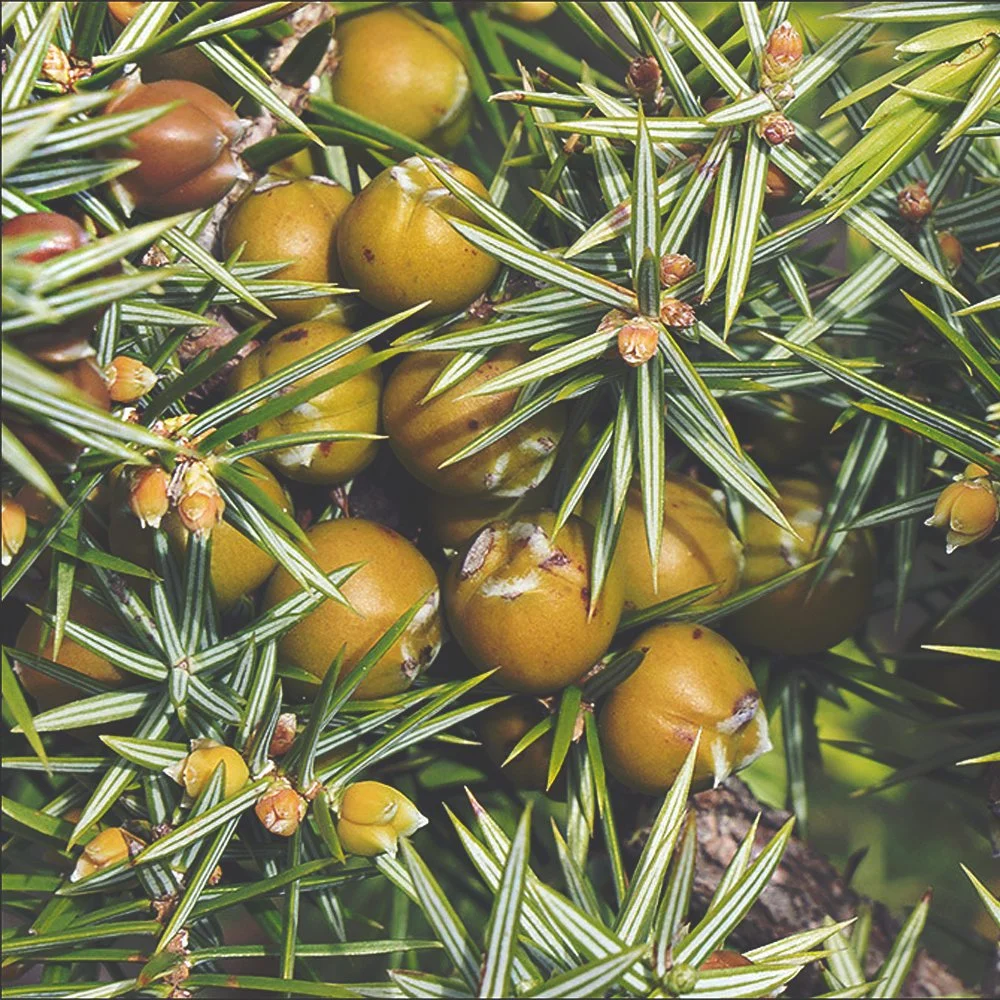
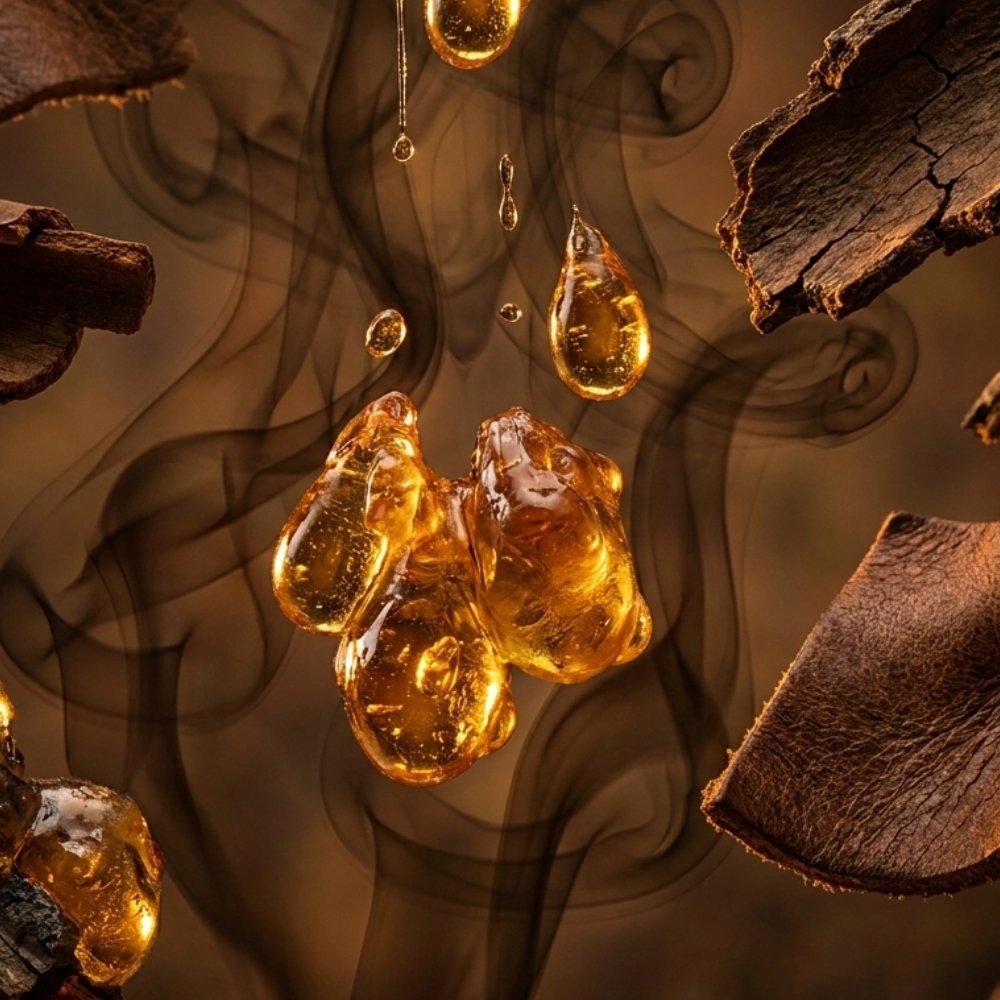
Cade Oil, Labdanum, Peru Balsam: Balsamic-resinous depth
Patchouli, Vetiver: Earthy-smoky foundations
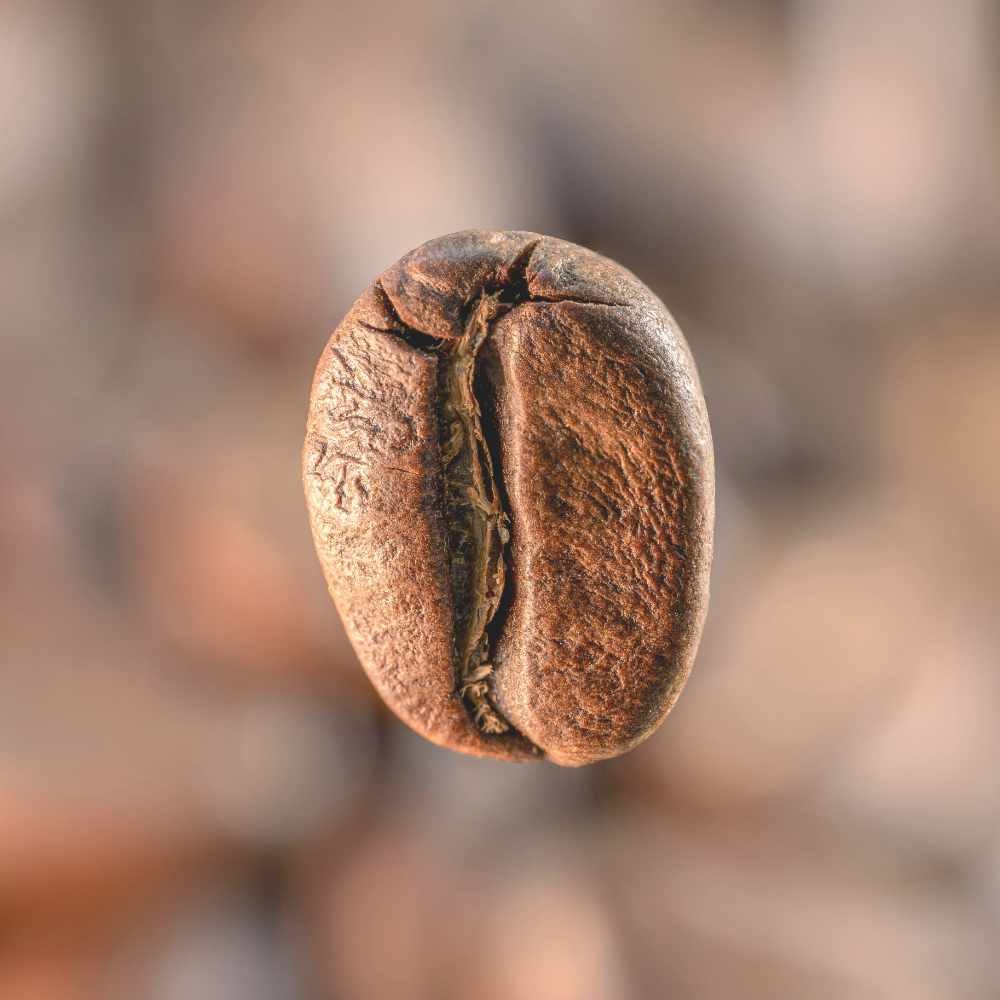
Whisky Lactone, Vanillin, Coffee Absolutes: Gourmand-smoke applications
Industrial & Technical Uses
Flavor Applications (FEMA 3137):
Smoke flavorings for seafood, meat, and poultry
Spice blends and savory seasonings
Whisky, rum, and aged spirit aromatization
Smoked tea and coffee profiles
BBQ and grilled food flavoring systems
Beverage Industry:
Key compound in smoke-tainted wine research; used to recreate aged barrel and smoky spirit characteristics.
Perfumery Applications:
Employed in leather, tobacco, incense, and aromatic woody compositions for charred-phenolic realism. Particularly valued in niche perfumery for authentic smoke reconstructions.
Note: Syringol is frequently combined with other pyrolysis-derived phenolics (creosol, methylguaiacol, 4-methylsyringol) to recreate multi-dimensional burnt, aged, or smoked effects with greater authenticity than single-component approaches.
Regulatory & Safety Overview
IFRA Status: Not restricted in perfumery applications under IFRA 51st Amendment
EU Allergens: Not listed among the 26 declarable fragrance allergens under EC Regulation 1223/2009
FEMA GRAS: ✅ FEMA 3137; approved for use in flavor applications
ECHA (REACH): Registered; not classified as hazardous under CLP at standard concentrations
Toxicology:
Low acute toxicity at perfumery and flavoring concentrations
Potential sensitizer at high concentrations; monitor dosage in leave-on applications
Readily biodegradable; not classified as PBT (Persistent, Bioaccumulative, Toxic) or vPvB (very Persistent, very Bioaccumulative)
Generally recognized as safe at regulated concentrations
Safety Recommendation: ✅ Safe in regulated perfumery and flavor use. Exercise restraint due to high olfactory impact and persistence.
Chemical & Technical Properties
Structural Characteristics:
Symmetrical dimethylated derivative of pyrogallol
Two methoxy groups (-OCH₃) in flanking (2,6) positions
Phenolic hydroxyl group (-OH) at position 1
Related to guaiacol (monomethoxyphenol) and eugenol
Physical Properties:
Density: ~1.1 g/cm³ (predicted)
Refractive Index: n₂₀/D 1.52 (predicted)
pKa: 9.97
Solubility: Higher in organic solvents than water; typical for phenolic compounds
Stability:
Stable under normal storage conditions
May darken due to air oxidation of impurities (typical samples appear brown)
Degradation occurs in strongly acidic or basic environments
Thermal stability maintained until pyrolysis temperatures (>400°C)
Biosynthetic Origin:
Formed during lignin pyrolysis specifically from syringyl units (sinapyl alcohol-derived lignin components). High syringol content indicates hardwood source, as softwood lignins lack syringyl components.
References
American Chemical Society. (2022, March 23). Molecule of the Week: Syringol. Retrieved from https://www.acs.org/molecule-of-the-week/archive/s/syringol.html
Arctander, S. (1969). Perfume and Flavor Chemicals (Aroma Chemicals). Self-published, Montclair, NJ.
Baltes, W., Wittkowski, R., & Söchtig, I. (1981). Composition of liquid smoke preparations for smoking food. Deutsche Lebensmittel-Rundschau, 77, 365-370.
European Commission. (2024). CosIng – Cosmetic Ingredient Database. Retrieved from https://ec.europa.eu/growth/tools-databases/cosing/
FEMA (Flavor and Extract Manufacturers Association). (2024). FEMA GRAS Database – FEMA No. 3137. Retrieved from https://www.femaflavor.org
Guillén, M. D., & Manzanos, M. J. (1996). Study of the volatile composition of an aqueous oak smoke preparation. Food Chemistry, 55(3), 283-297.
Guillén, M. D., Manzanos, M. J., & Zabala, L. (1995). Study of a commercial liquid smoke flavouring by means of gas chromatography/mass spectrometry and Fourier transform infrared spectroscopy. Journal of Agricultural and Food Chemistry, 43(2), 463-468.
Kostyra, E., & Barylko-Pikielna, N. (2006). Volatiles composition and flavour profile identity of smoke flavourings. Food Quality and Preference, 17(1-2), 85-95.
Maga, J. A. (1987). The flavor chemistry of wood smoke. Food Reviews International, 3(1-2), 139-183.
Wang, H., & Chambers, E., IV. (2018). Sensory characteristics of various concentrations of phenolic compounds potentially associated with smoked aroma in foods. Molecules, 23(4), 780. https://doi.org/10.3390/molecules23040780