 Image 1 of 2
 Image 2 of 2
Technical Ingredient Overview — Styrax Resinoid Vulcain
🏭 Manufacturer — dsm-firmenich (Natural Ingredients Innovation Center)
🔎 Chemical Name — Styrax Honduras Resinoid Vulcain (Liquidambar styraciflua resin extract, pyrogenized)
🧪 Synonyms — Styrax Resinoid Pyrogenized, Storax Resinoid, Liquidambar Resinoid Vulcain
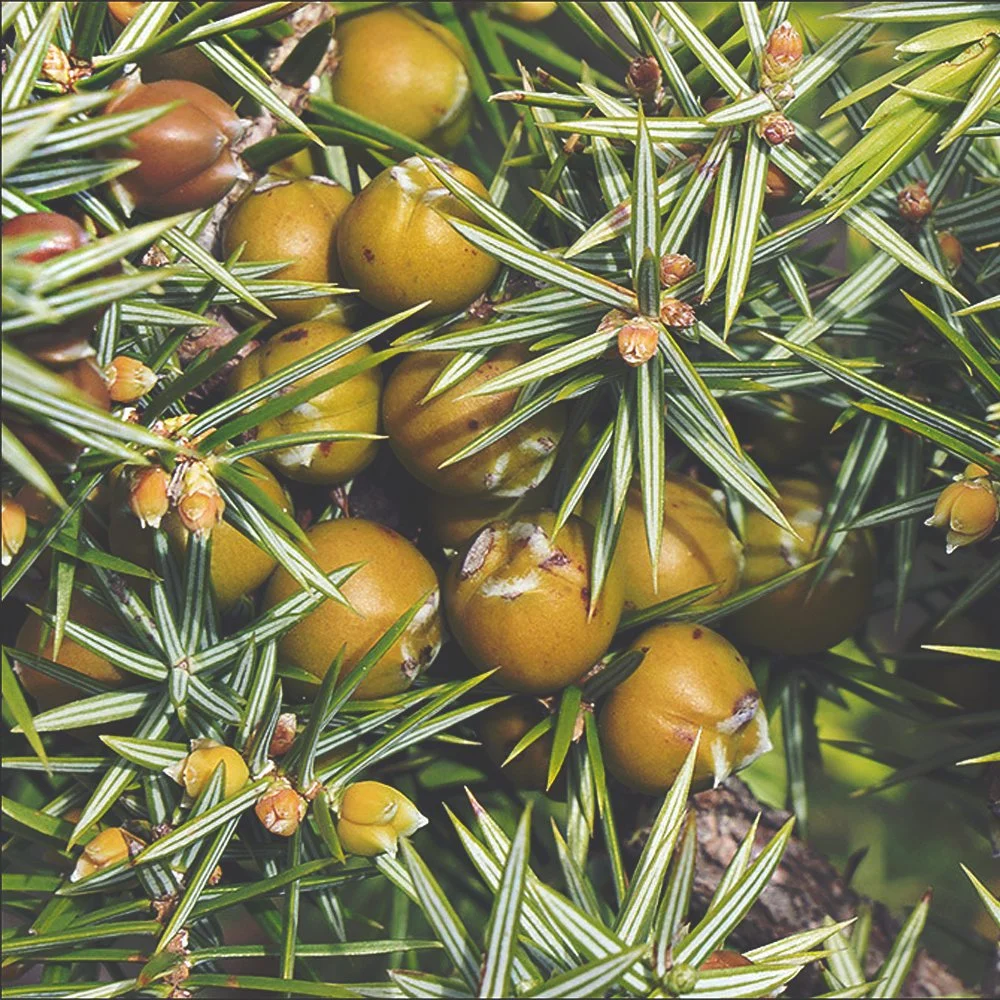
🧬 Botanical Source — Liquidambar styraciflua L.
📂 CAS — 8046-19-3
📘 FEMA — 3036
⚖️ MW — Not applicable (complex natural mixture)
📝 Odor Type — Balsamic, Leathery, Animalic, Cinnamic
📈 Odor Strength — Strong (very low dosage required)
👃🏼 Odor Profile — Soft but not sweet; light animalic note; enhanced cinnamic effect; intense warm leathery character; radiant dry-down with pyrogenized depth
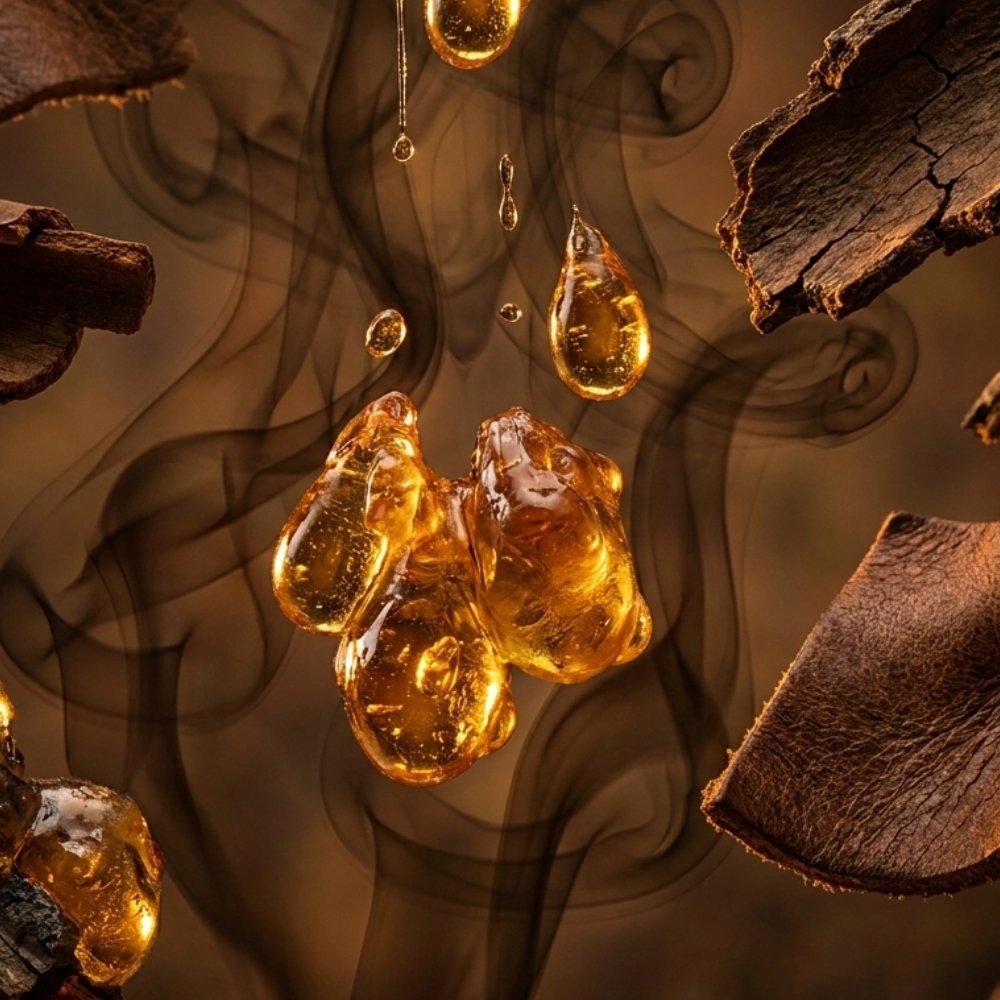
🧴 Appearance — Golden to amber, thick fluid
⚗️ Uses — Base note, fixative, leather accords, chypre, oriental, ambery compositions
🌿 Origin — Honduras (sustainably sourced, Joint Venture Nelixia / dsm-firmenich)
🔥 Technology — VULCAIN (Pyrogenation by dsm-firmenich)
What is Styrax Resinoid Vulcain?
Styrax Resinoid Vulcain is a high-performance natural resinoid derived from the gum resin of Liquidambar styraciflua, a tree native to Central America, primarily harvested in Honduras. What distinguishes it from a conventional styrax resinoid is the proprietary VULCAIN pyrogenation process developed by dsm-firmenich's Natural Ingredients Innovation Center — a controlled and monitored thermal treatment that creates pyrogenized aromatic molecules, intensifying the extract's leathery, smoky, and animalic facets far beyond what classical solvent extraction achieves.
The result is a material with wider and more intense notes than those of the original extracts, offering exceptional olfactory potential at very low dosage, and representing a benchmark ingredient for leathery accords in fine fragrance.
Botanical Background & Sourcing
The resin of Liquidambar styraciflua is naturally secreted from the tree's sapwood and bark. In Honduras, local tappers prepare the trees by incising the trunks in spring; the sap is collected through summer, brought to cooperatives for filtration, and then distilled by local suppliers. The entire supply chain is managed through Nelixia, a joint venture with dsm-firmenich, ensuring:
100% traceability from farm to ingredient
Fair prices and market security for local farming communities
Respect for environmental sustainability in the El Paraíso region, where Styrax is also cultivated to provide shade for coffee crops
This commitment to NATURALS TOGETHER® sourcing makes Styrax Resinoid Vulcain not only a superior aromatic material but also an ethically responsible choice.
The VULCAIN Process
VULCAIN is the name of dsm-firmenich's pyrogenation — a controlled and monitored creation of pyrogenized molecules during a specific heating process.
Unlike conventional perfumery, which targets the preservation of top notes, freshness, and raw material fidelity, pyrogenation deliberately inverts these priorities. The process seeks heavier, deeper, pyrogenized elements — generating new aromatic compounds not present in the original extract, particularly:
Enhanced leathery and smoky molecules
Intensified cinnamic compounds
Broader base-note tenacity
Named after Vulcain (Vulcan), the Roman and Hellenic god of fire and volcanoes, the VULCAIN range translates this mythology into a precise, industrially reproducible technology.
Olfactory Profile
Scent Family: Balsamic / Leathery / Resinous
Descriptors: Leathery, smoky, warm, animalic, cinnamic, slightly balsamic, dry
Odor Strength: Strong — effective at very low concentrations
Tenacity: Exceptional (base note fixative)
Volatility: Very low
Dry-down: Radiant, warm, long-lasting
Comparison to standard Styrax Resinoid: The non-pyrogenized resinoid is more animalic and sweet-balsamic; the Vulcain version dramatically amplifies the leathery and pyrogenized dimension, with a drier, more intense character.
Applications in Fine Fragrance
Styrax Resinoid Vulcain is a key technical solution for leathery accords and plays a central role in:
Leather fragrance architectures — providing authentic pyrogenized depth (birch tar alternative or enhancer)
Chypre compositions — as a classical fixative and textural base anchor
Oriental and ambery bases — adding warmth, smokiness, and lasting power
White floral accords — where a dark, animalic underpinning adds sophistication
Masculine and unisex fine fragrances — where leathery and dry notes are desired
Notable pairings: Birch Tar, Labdanum, Cistus, Iso E Super, Vetiver, Patchouli, Oakmoss, Castoreum, Isobutyl Quinoline, Ambrette Seed
Usage level: Typically very low (due to high olfactory impact) — precise dosage recommended via IFRA guidelines.
Performance in Formula
Excellent fixative properties; anchors volatile materials in the top and heart
Works well in ethanol-based fine fragrance formulas
Compatible with DPG, IPM, isopropyl myristate as a diluent
Best used in base note complexes and leather accords
Solubility should be tested in finished product, as resinoids can present solubility challenges in some bases
May cause coloration due to chromophoric aromatic compounds, particularly in alkaline bases
Regulatory & Safety Overview
IFRA Compliance: Restricted under the IFRA 51st Amendment — sensitization potential from Cinnamyl Alcohol, Cinnamaldehyde, and Benzyl Cinnamate allergens. Category-specific limits apply (e.g., Cat. 4: 0.64%, Cat. 5: 0.16%, Cat. 11: 2.5%). Consult current IFRA standards before use.
EU Cosmetics Regulation: Declared allergens include Cinnamyl Alcohol, Cinnamaldehyde, Benzyl Cinnamate — must be listed on finished product labels above threshold concentrations
GHS Classification: Raw material may cause skin sensitization; follow standard handling precautions
Certifications: Kosher Certified; GMO Free
Flashpoint: 100°C / 212°F
REACH: Registered under ECHA
PAH Notice: Styrax oil obtained through pyrolysis must be rectified per GMP. Total Benzopyrene + 1,2-Benzanthracene must not exceed 1 ppb in the finished product (IFRA 51st Amendment, Specified Ingredients)
References
dsm-firmenich Studio. (2024). STYRAX HONDURAS RES VULCAIN — Product page (PE-983586). https://studio.dsm-firmenich.com/product/styrax-honduras-res-vulcain-pe-983586
Arctander, S. (1960). Perfume and Flavor Materials of Natural Origin. Self-published.
Sell, C. S. (2006). The Chemistry of Fragrances (2nd ed.). Royal Society of Chemistry.
IFRA. (2023). IFRA Standards – 51st Amendment. International Fragrance Association. https://ifrafragrance.org
PubChem. (2024). Styrax Resinoid (CAS 8046-19-3). National Library of Medicine. https://pubchem.ncbi.nlm.nih.gov