 Image 1 of 2
 Image 2 of 2
Saffron Extract / Tincture (CAS 84604-17-1) – Technical Ingredient Overview
🏭 Manufacturer — Scentspiracy
🔎 Chemical Name — Crocus Sativus Flower Extract / Crocus Sativus Stigma Extract
🧪 Synonyms — Saffron extract, Saffron tincture, Crocus sativus ext., Autumn crocus extract
📂 CAS Number — 84604-17-1
📘 FEMA Number — 2999
🔢 EC Number — 283-295-0
⚖️ Molecular Weight — Complex mixture (Key components: Safranal 150.21 g/mol, Picrocrocin 330.37 g/mol)
🔬 Molecular Formula — Complex mixture (Key components: Safranal C10H14O, Picrocrocin C16H26O7)
📝 Odor Type — Spicy
📈 Odor Strength — High (potent)
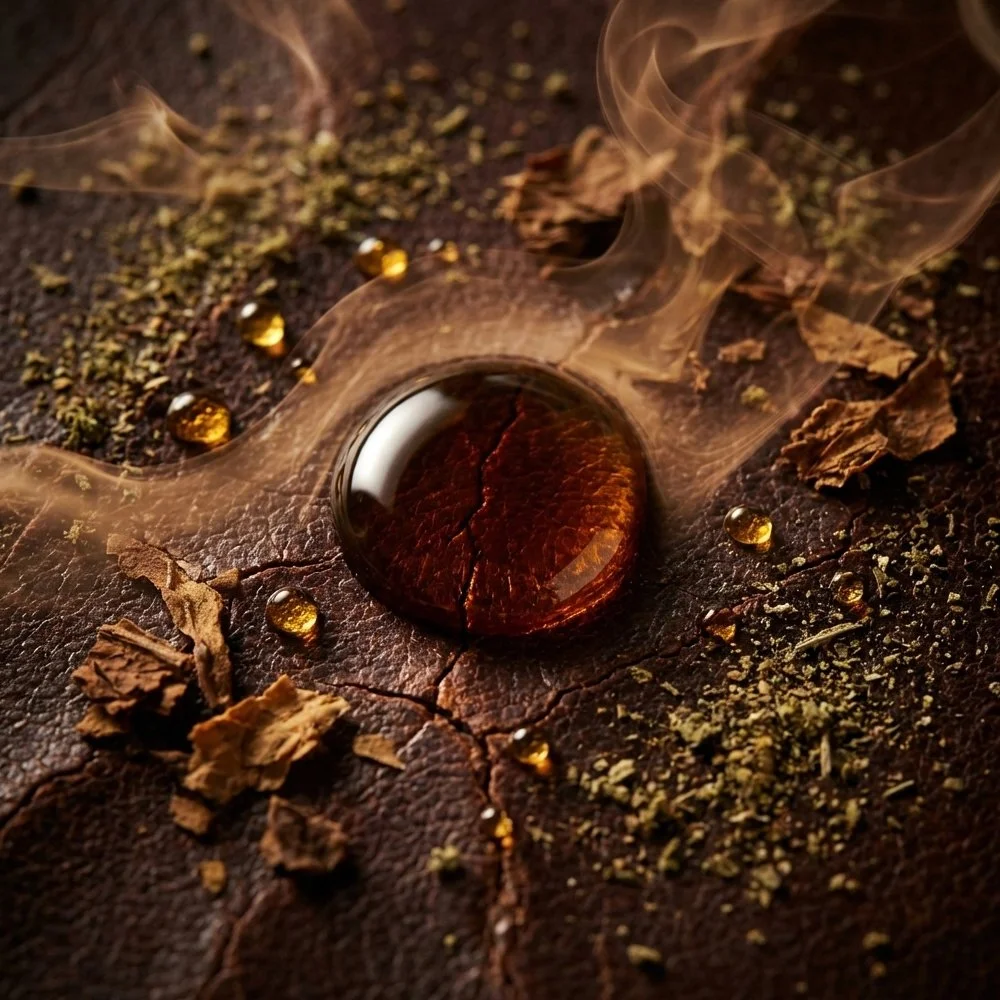
👃🏼 Odor Profile — Spicy, leathery, fruity, floral, aldehydic, fatty. The scent opens with warm, rich new leather notes, entwined with woody, boozy nuances, and finishes with spiced fruits.
⚗️ Uses — Perfumery
🧴 Appearance — Golden to deep orange/red, mobile liquid.
Additional Physical Properties
🔥 Boiling Point — Varies depending on solvent (Ethanol bp is ~78°C; flash point of saffron extract ~79.5°C)
💧 Solubility — Soluble in ethanol and water-glycol mixtures.
🔄 Specific Rotation — N/A
✅ Purity — 100% natural extract (diluted in 5% ethanol as per product description)
What is Saffron Tincture / Extract?
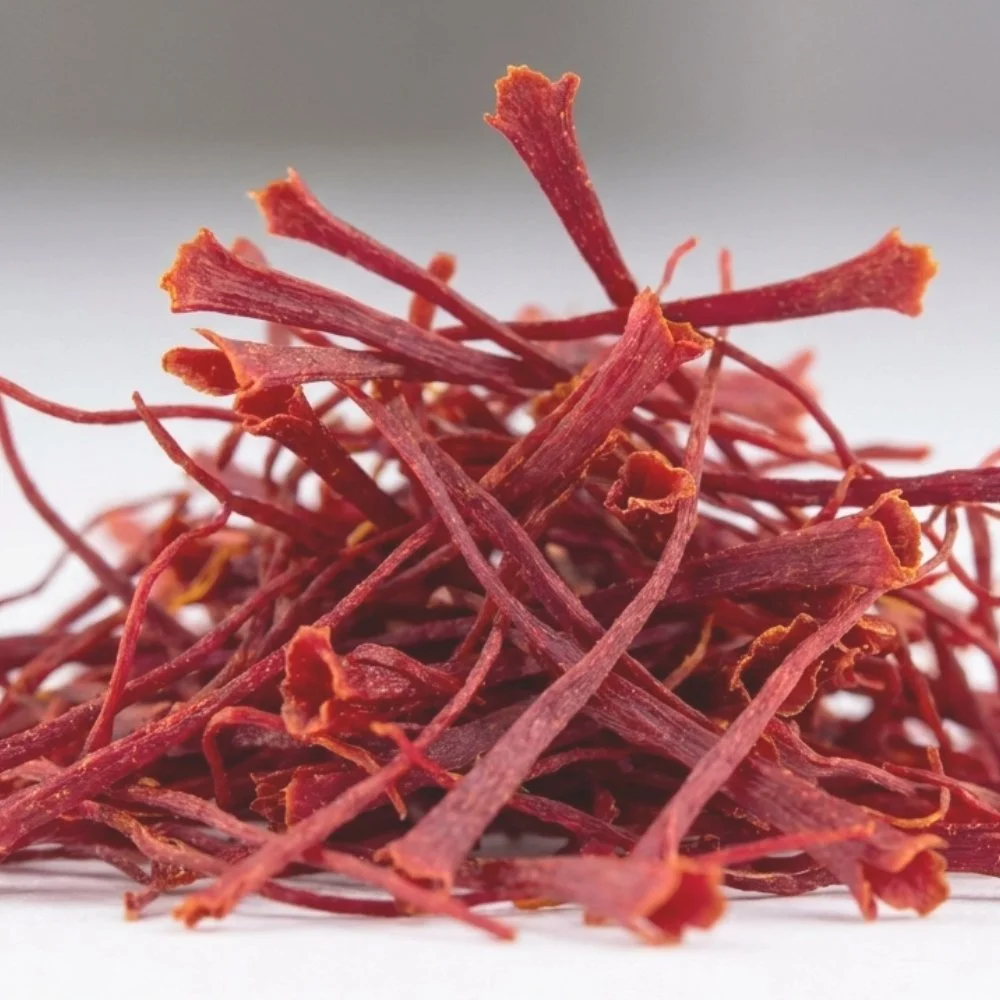
Saffron extract is derived from the dried crimson stigmas of the Crocus sativus flower. Known as "red gold," it owes its color, flavor, and sensory properties to bioactive compounds such as crocin, crocetin, picrocrocin, and safranal. The tincture is created by macerating or extracting these stigmas in a solvent like ethanol, capturing its complex, warm, and highly prized aromatic profile.
Historical Background
Saffron’s history as a prized aromatic spans more than 3,500 years. Derived from the human-propagated Crocus sativus, its earliest visual records appear in Minoan frescoes at the palace of Knossos and the Akrotiri excavations on Santorini (circa 1500 BC). The name itself traces from the Arabo-Persian za’faran ("yellow") and zarparan ("gold strung").
In antiquity, saffron was the ultimate symbol of luxury and sensuality. It was a key ingredient in Kyphi, the legendary ancient Egyptian incense and perfume, and Cleopatra reportedly infused her baths with it. The ancient Greeks and Romans admired its "sensuous smell" (as noted by Aristophanes), strewing the golden threads across theater floors, public halls, and Roman baths to perfume the air. During the Roman Empire, the streets were even said to be sprinkled with saffron for Emperor Nero’s arrival.
In ancient Persia, saffron threads were woven into royal carpets, used as currency, and steeped to perfume ballrooms. Because Crocus sativus is sterile, it has relied entirely on manual human cultivation for millennia. The incredibly labor-intensive process—requiring roughly 75,000 hand-picked flowers to produce a single pound of spice—has cemented its eternal status as "Red Gold" in both the culinary and perfumery worlds.
Afghan Origin. Afghanistan sits at the very cradle of saffron’s history. Many botanists place the origin of Crocus sativus in the borderlands between Western Afghanistan (the Herat region) and Eastern Iran (Khorasan), and Afghan cultivation is believed to predate Alexander the Great’s conquest of the Persian Empire. Through centuries of drought, conflict, and shifting agriculture, local saffron farming nearly disappeared. It was revived in the early 2000s, when Herat’s farmers—supported by international organizations—adopted saffron as a high-value, legal alternative to opium poppy cultivation. Herat’s virgin soils and semi-arid climate proved ideal: Afghan saffron now consistently records exceptionally high crocin, picrocrocin, and safranal levels, and has been ranked the world’s finest by the Brussels-based International Taste Institute for ten consecutive years. This Afghan-origin tincture draws on that lineage, capturing the deep, leathery richness for which Herat saffron is prized.
Olfactory Profile
Scent Family: Spicy-leathery
Main Descriptors: Rich, warm, leathery, spicy, slightly sweet, earthy, with hay-like, floral, and woody-boozy facets.
Intensity: Very high; safranal provides a powerful, penetrating aroma even at low concentrations.
Tenacity: Excellent substantivity and fixative properties.
Volatility: Heart to base note.
Applications in Fine Fragrance
Saffron extract is used to add warmth, opulence, and an exotic leathery edge to compositions.
Oud and Woody Accords (0.1 - 1%) — Enhances the depth and animalic richness of oud and sandalwood.
Oriental and Spicy Accords (0.5 - 2%) — Bridges spicy top notes with warm, ambery, and resinous bases.
Leathery Accords (0.1 - 1.5%) — Provides a natural, plush leather effect.
Performance in Formula
Fixative Power — Very good, helping to anchor volatile top notes and enrich the dry-down.
Radiance Effect — Adds a golden, luminous warmth to the heart of a fragrance.
Stability — Generally stable, though color may alter over time or with light exposure.
Compatibility — Blends beautifully with rose, oud, woods, resins, and other spices.
Solubility — Excellent in alcohol.
Industrial & Technical Uses
Functional Perfumery — Used sparingly in premium air care and home fragrances (diffusers, candles) for an opulent touch.
Personal Care — Found in luxury skincare for its antioxidant and skin-conditioning benefits.
Flavor Industry — Widely used as a natural flavoring and coloring agent in food and beverages.
Cosmetics — Utilized for its anti-aging and skin-protecting properties.
Regulatory & Safety Overview
IFRA Status: Saffron extracts containing safranal are subject to IFRA restrictions (Safranal is restricted due to sensitization potential).
EU Cosmetics Regulation: Permitted; safranal must be monitored as a potential allergen.
EU REACH: Exempt or registered depending on the supplier's volume.
FEMA Status: GRAS (FEMA No. 2999)
GHS Classification: Flammable liquid (if high ethanol content), skin sensitizer.
Toxicology
Sensitization — Safranal is a known skin sensitizer; strict adherence to IFRA limits is required.
Phototoxicity — Generally not considered phototoxic.
General — Safe for use in fragrance and food at prescribed levels.
Sustainability Credentials
Saffron cultivation is labor-intensive, requiring manual harvesting. High-quality Afghan and Iranian origins often support local agricultural communities. Being 100% plant-derived, it is a renewable and biodegradable ingredient.
References
The Good Scents Company (Crocus sativus flower extract, 84604-17-1)
PubChem (Saffron)
FEMA Flavor Library (FEMA 2999)
BMV Fragrances & Hermitage Oils technical sheets