 Image 1 of 2
 Image 2 of 2
Patchouli Heart N.3 (CAS 8014-09-3) – Refined Heart Fraction of Indonesian Patchouli Oil - Technical Ingredient Overview
🏭 Manufacturer — IFF (LMR Naturals), Grasse, France
🔎 Chemical Name — Essential oil of Pogostemon cablin (Blanco) Benth. (heart fraction by fractional distillation)
🧪 Synonyms — Patchouli Coeur N°3, Patchouli Heart N.3 LMR, Patchouli Heart PA60, Patchouli oil heart fraction
📂 CAS Number — 8014-09-3 (patchouli oil); 84238-39-1 (patchouli extract)
📘 FEMA Number — 2838
🔢 EC Number — 939-227-3
⚖️ Molecular Weight — Complex natural UVCB mixture; average ~120 g/mol (per SDS); primary constituent patchoulol (C₁₅H₂₆O): 222.37 g/mol
🔬 Molecular Formula — UVCB (Unknown or Variable composition, Complex reaction products, Biological materials)
📝 Odor Type — Woody, patchouli, earthy
📈 Odor Strength — Strong to very strong; highly diffusive
👃🏼 Odor Profile — Powerful woody patchouli note opening on a clean camphoraceous top with a fruity twist; slightly earthy and humid tonalities bring a long-lasting effect
⚗️ Uses — Fine fragrance, functional perfumery, flavor applications
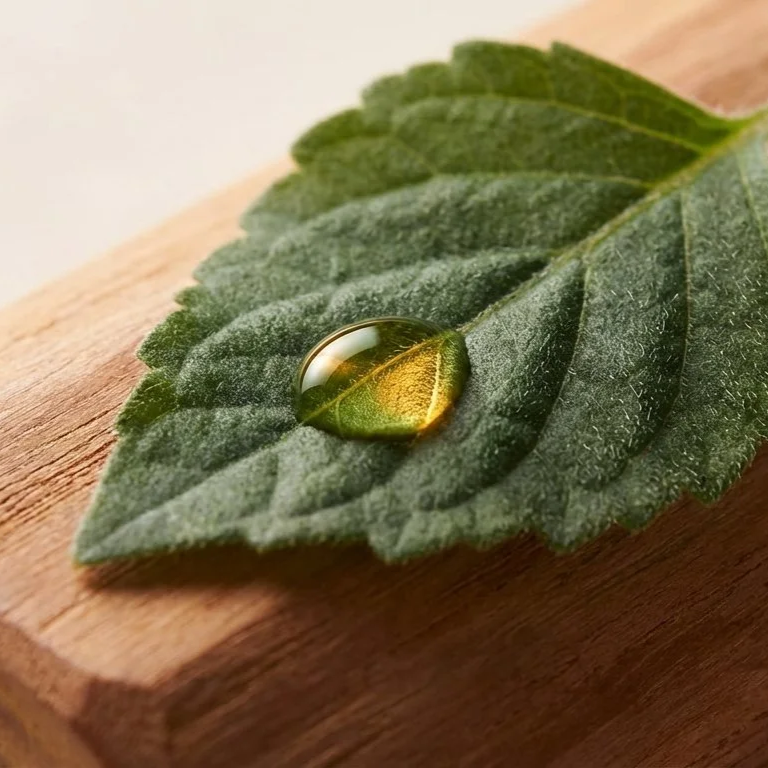
🧴 Appearance — Yellow to yellow-green liquid
🔑 IPC Number — 160156
🌿 Origin — Indonesia
🏗️ Process — Hydro distillation followed by fractional distillation to isolate the heart
🌱 Processed Part — Stems and leaves
⚖️ Yield — 1 kg is made from approximately 100 kg of vegetal material
Additional Physical Properties
🌡️ Melting Point — Not applicable (liquid at ambient)
🔥 Boiling Point — Not specified; major constituent patchoulol boils at ~287°C
💧 Relative Density (D20/4) — 0.9900 – 1.0150
💧 Relative Density (D20/20) — 0.9920 – 1.0170
💧 Relative Density (D25/25) — 0.9890 – 1.0140
🔍 Refractive Index (20°C) — 1.5030 – 1.5230
💧 Solubility — Insoluble in water; soluble in ethanol and most organic solvents; good solubility in perfume-grade alcohol
🔄 Specific Rotation — Not specified by manufacturer
✅ Purity / Patchoulol Content — 52–59% patchouli alcohol (patchoulol), guaranteed by LMR laboratory
🧬 Biogenic Carbon Content — 100% (fully plant-derived, renewable)
🔥 Flash Point — 94°C / 201°F
💨 Vapour Pressure — 0.01 hPa (calculated)
What is Patchouli Heart N.3?
Patchouli Heart N.3 is an innovative natural ingredient developed by IFF's LMR Naturals division (Laboratoire Monique Rémy) in Grasse, France. It is produced by fractionating matured, iron-free patchouli essential oil from Indonesia through molecular (fractional) distillation under vacuum, a process that concentrates the most desirable aromatic fractions of the oil while removing unwanted monoterpene hydrocarbons and heavier, less pleasant sesquiterpene components.
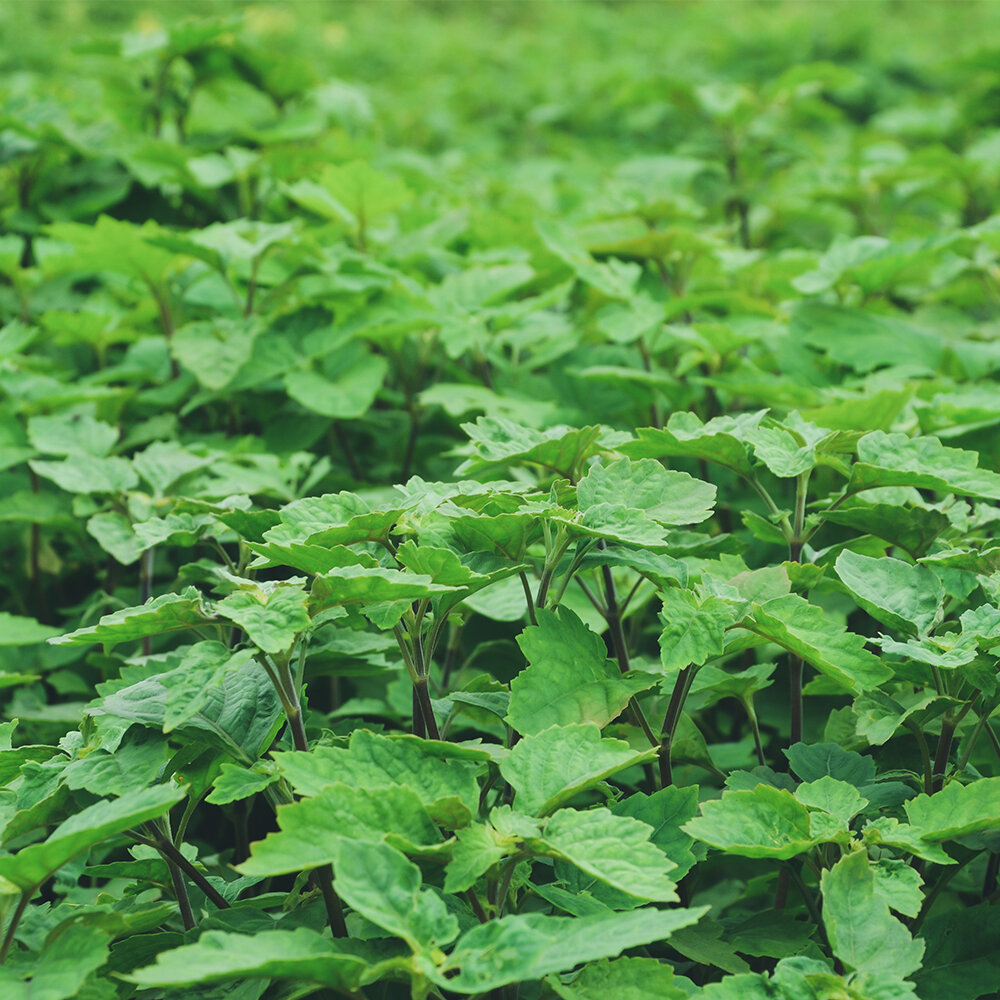
The raw material is sourced from the dried, fermented stems and leaves of Pogostemon cablin (Blanco) Benth., a tropical perennial herb belonging to the Lamiaceae family. Indonesia supplies approximately 95% of the world's patchouli oil, primarily from the islands of Sulawesi, Sumatra, and Java, with an annual production of around 1,400–1,600 metric tonnes of essential oil.
The "Heart N.3" designation refers to LMR's proprietary fractional cut that isolates the middle (heart) fraction of the distillate. This fraction is enriched in oxygenated sesquiterpenes — particularly patchouli alcohol (patchoulol), the molecule most prized by perfumers for its refined woody-earthy character. With a guaranteed patchoulol content of 52–59%, Patchouli Heart N.3 represents the highest concentration of this key odorant among commercially available patchouli oils.
Chemically, Patchouli Heart N.3 is a complex UVCB mixture composed primarily of:
Patchouli alcohol (patchoulol) — 52–59%, the primary character-impact molecule
α-Bulnesene — sesquiterpene hydrocarbon contributing to the woody-earthy body
α-Guaiene — sesquiterpene contributing spicy-woody nuances
Seychellene — distinctive tricyclic sesquiterpene
α-Patchoulene / β-Patchoulene — characteristic patchouli hydrocarbons
Norpatchoulenol — a degraded sesquiterpene alcohol with very powerful odor (largely responsible for patchouli's distinctive character at trace levels)
Historical Background
Patchouli's documented history in perfumery dates to 19th-century Europe, when Indian cashmere shawls shipped with dried patchouli leaves as a moth repellent introduced the West to its distinctive aroma. The scent became synonymous with authentic Oriental luxury goods, and by the mid-1800s, Pogostemon cablin was being commercially cultivated and distilled in Indonesia, India, Malaysia, and the Seychelles.
The name "patchouli" derives from the Tamil words patch (green) and ilai (leaf). In Southeast Asia, the plant had been used for centuries in traditional medicine, textile preservation, and insect repellence before its aromatic properties were exploited commercially.
The distinction between crude and fractionated patchouli oils emerged in the 20th century as perfumers sought to isolate patchouli's most elegant facets while removing harsh, muddy, or camphoraceous off-notes. The development of iron-free distillation (using stainless steel equipment instead of traditional iron stills) marked a critical advance in quality, eliminating metallic contamination that caused dark coloration and off-notes.
LMR Naturals (Laboratoire Monique Rémy), founded in Grasse and now part of IFF, pioneered the application of fractional distillation technology to create heart fractions of essential oils. Patchouli Heart N.3 represents one of their most acclaimed innovations: a proprietary cut that concentrates patchoulol and the most desirable sesquiterpene alcohols while reducing lighter terpenes and heavier wax-like compounds. The result is considered by many professional perfumers to be the finest expression of patchouli available commercially, offering exceptional purity, refinement, and longevity.
The current global patchouli supply chain has faced volatility due to political and economic changes in Indonesia, with periodic supply crises affecting availability and pricing of all patchouli grades, including LMR fractions.
Olfactory Profile
Scent Family
Woody-earthy with balsamic and slightly camphoraceous facets
Main Descriptors
Patchouli Heart N.3 opens with a clean, camphoraceous top note accompanied by a distinctive fruity twist — a brighter, more refined opening compared to crude patchouli. The heart develops into a powerful, noble woody-patchouli character that is simultaneously rich and transparent. Slightly earthy and humid tonalities emerge in the dry-down, providing remarkable depth without the musty, barnyard, or phenolic heaviness that can characterize unfractionated grades.
The elevated patchoulol content gives this fraction a creamy, almost chocolaty warmth, while traces of norpatchoulenol contribute the unmistakable "patchouli signature" — a persistent, slightly sweet, earthy-woody note. The overall impression is one of modern woody elegance: recognizably patchouli, but cleaner, more refined, and more versatile than crude or dark grades.
Intensity
Strong to very strong odor intensity with excellent projection and sillage. Despite being a refined fraction, Patchouli Heart N.3 maintains substantial olfactory impact and radiance.
Tenacity
Exceptional. One of the most persistent natural ingredients available, with longevity exceeding 400 hours on smelling strips. The high molecular weight sesquiterpene alcohols (particularly patchoulol at MW 222.37) ensure extraordinary substantivity on skin and in formulations. Like all patchouli oils, the material improves significantly with aging as any residual sharp or green top notes mellow into deeper, sweeter richness.
Volatility
Base note. The high concentration of oxygenated sesquiterpenes ensures extremely slow evaporation, anchoring volatile top and middle notes in fragrance compositions.
Applications in Fine Fragrance
Patchouli Heart N.3 is valued for its versatility across a wide range of fragrance families and creative visions. Its refined character makes it suitable where patchouli's complexity is desired without overwhelming earthiness.
Oriental / Amber accords (2–10%) — Provides woody-earthy depth and exceptional fixation to ambery resins, vanilla, spices, and rich floral hearts. Harmonizes beautifully with labdanum, benzoin, and tonka bean.
Chypre compositions (3–8%) — Bridges mossy-green facets with woody-resinous bases. Essential in modern chypres where oakmoss substitutes require additional richness and complexity.
Woody-Aromatic / Modern Woody (1–5%) — Adds natural depth and credibility to woody bases built with cedarwood, vetiver, sandalwood, and synthetic woody molecules (Iso E Super, Javanol, Clearwood). The clean character avoids muddying transparent constructions.
Fougère structures (1–4%) — Contributes natural depth beneath lavender-coumarinic accords without opacity or heaviness.
Leather accords (2–6%) — Enriches suede and leather effects with earthy-balsamic warmth.
Gourmand / Sweet compositions (0.5–2%) — The chocolaty-warm facet of concentrated patchoulol synergizes with vanilla, praline, and caramel notes.
Performance in Formula
Fixative Power — Exceptional. Among the most effective natural fixatives due to high patchoulol content. Substantively extends the longevity of lighter volatile materials and anchors entire compositions.
Radiance Effect — Strong diffusion and projection despite base note classification. Enhances sillage of fragrances without overwhelming.
Stability — Good stability in alcoholic and oil-based formulations. The iron-free, fractionated character prevents discoloration issues common with crude patchouli. pH stable across typical perfume ranges. Shelf life of 12 months sealed; improves with proper aging.
Compatibility — Excellent blending versatility. Harmonizes with vetiver, sandalwood, cedarwood, labdanum, oakmoss, bergamot, rose, jasmine, geranium, clary sage, synthetic musks, amber bases, vanilla, and most modern aroma chemicals. The clean profile avoids clashing with transparent or aquatic notes.
Solubility — Good solubility in ethanol and most perfumery solvents. Insoluble in water. May show slight haziness in highly diluted alcoholic solutions.
Industrial & Technical Uses
Functional Perfumery — Valued in fine soap, detergents, fabric softeners, and household products where natural woody-earthy character and substantivity are needed. The refined profile reduces risk of heaviness in consumer products.
Personal Care — Hair care, deodorants, body care formulations. The iron-free character eliminates discoloration concerns in light-colored bases (soaps, lotions, creams).
Flavor Industry — FEMA 2838 (GRAS). Limited use in flavor applications, historically in licorice-type flavorings and specialty beverages.
Cosmetics — Natural base note in luxury cosmetic fragrancing. Aromatherapy applications for grounding, emotional and cognitive wellness.
Regulatory & Safety Overview
IFRA Status
Patchouli oil (CAS 8014-09-3) is not restricted under IFRA Standards (Amendment 51). Approved for use in all product categories without specific concentration limitations.
EU Cosmetics Regulation
Compliant with EU Regulation (EC) No 1223/2009. Classified as an allergen under European Regulation 2023/1545 — presence must be declared on product labels when exceeding 0.001% in leave-on products and 0.01% in rinse-off products. May contain naturally occurring allergens subject to Annex III labeling requirements (including linalool, limonene, eugenol, and alpha-guaiene if present above threshold concentrations).
EU REACH
Registered. REACH Registration Number: 01-2119967775-18. EC Number: 939-227-3.
FEMA Status
FEMA 2838 — Generally Recognized As Safe (GRAS) for flavoring applications.
GHS Classification
Skin corrosion/irritation, Category 3 — H316: Causes mild skin irritation
Short-term (acute) aquatic hazard, Category 2
Long-term (chronic) aquatic hazard, Category 2 — H411: Toxic to aquatic life with long lasting effects
Signal word: Warning
HMIS Classification: Health 0, Flammability 1, Physical 0
Transport: UN 3082, Class 9, PG III — Environmentally Hazardous Substance, Liquid, N.O.S. (Patchouli Alcohol). Marine pollutant.
Toxicology
Sensitization — Not classified as a skin sensitizer (OECD Test Guideline 429, Mouse). Low sensitization potential in iron-free, matured grades.
Phototoxicity — Not phototoxic.
General — LD50 oral (rat): >5,000 mg/kg. LD50 dermal (rabbit): >5,000 mg/kg. Slight skin irritation (OECD, rabbit, 4h). No eye irritation (OECD 437 & 405).
Environmental Considerations
Biodegradability — Readily biodegradable (64%, 28 days, OECD 301F)
Bioaccumulation — Low bioaccumulation potential. Ecotoxicity: LC50 (96h, rainbow trout) = 5.7 mg/L; EC50 (48h, Daphnia) = 11 mg/L; EC50 (72h, green algae) = 73 mg/L.
Sustainability Credentials
COSMOS certified. 100% renewable, plant-derived origin. Readily biodegradable. LMR Naturals operates a natural innovation platform in Indonesia ensuring traceable and transparent supply chain. IFF commitment to sustainable sourcing and responsible farming practices.
References
IFF LMR Naturals. (2020). Product Data Sheet: Patchouli Heart N.3 LMR (IFF Code 00160156). Laboratoire Monique Rémy, Grasse, France.
IFF LMR Naturals. (2020). Safety Data Sheet: Patchouli Heart N.3 LMR (SDS R00000110397, v3).
IFF. (2026). LMR Compendium: Patchouli Heart N.3. https://www.iff.com/scent/lmr-compendium/patchouli-heart-n-3/
Arctander, S. (1960). Perfume and Flavor Materials of Natural Origin. Published by the author.
Beek, T. A. van, & Joulain, D. (2018). The essential oil of patchouli, Pogostemon cablin: A review. Flavour and Fragrance Journal, 33(1), 6–51.
IFRA. (2022). IFRA Standards — 51st Amendment. https://ifrafragrance.org/standards
ECHA. (2025). Substance Information: Patchouli extract (EC 282-493-4 / 939-227-3). https://echa.europa.eu/