 Image 1 of 2
 Image 2 of 2
Coffee CO2 Organic (Total) – Technical Ingredient Overview
🔎 Chemical Name — Not applicable: multicomponent botanical extract of roasted Coffea arabica beans.
🧪 Synonyms — Coffee CO2 total extract; Coffee CO2 (Total); Coffea arabica CO2 extract; roasted coffee bean CO2 extract
📂 CAS Number — 84650-00-0
🔢 EC Number — 283-481-1
📝 Odor Type — Gourmand, roasted, smoky
📈 Odor Strength — Strong
👃🏼 Odor Profile — Black coffee and roasted beans; dark, smoky warmth with vanilla-, cinnamon- and tobacco-like undertones in the drydown.
⚗️ Uses — Oil-based fine fragrance, soap, skincare; coffee gourmands, tobacco accords, woody ambers, dark florals.
🧴 Appearance — Coffee-brown, pourable oily liquid.
Additional Physical Properties
💧 Solubility — Soluble in oil; not soluble in alcohol. A separate alcohol-soluble coffee CO2 grade exists for clear ethanol-based perfumes.
What Is Coffee CO2 Total Extract?
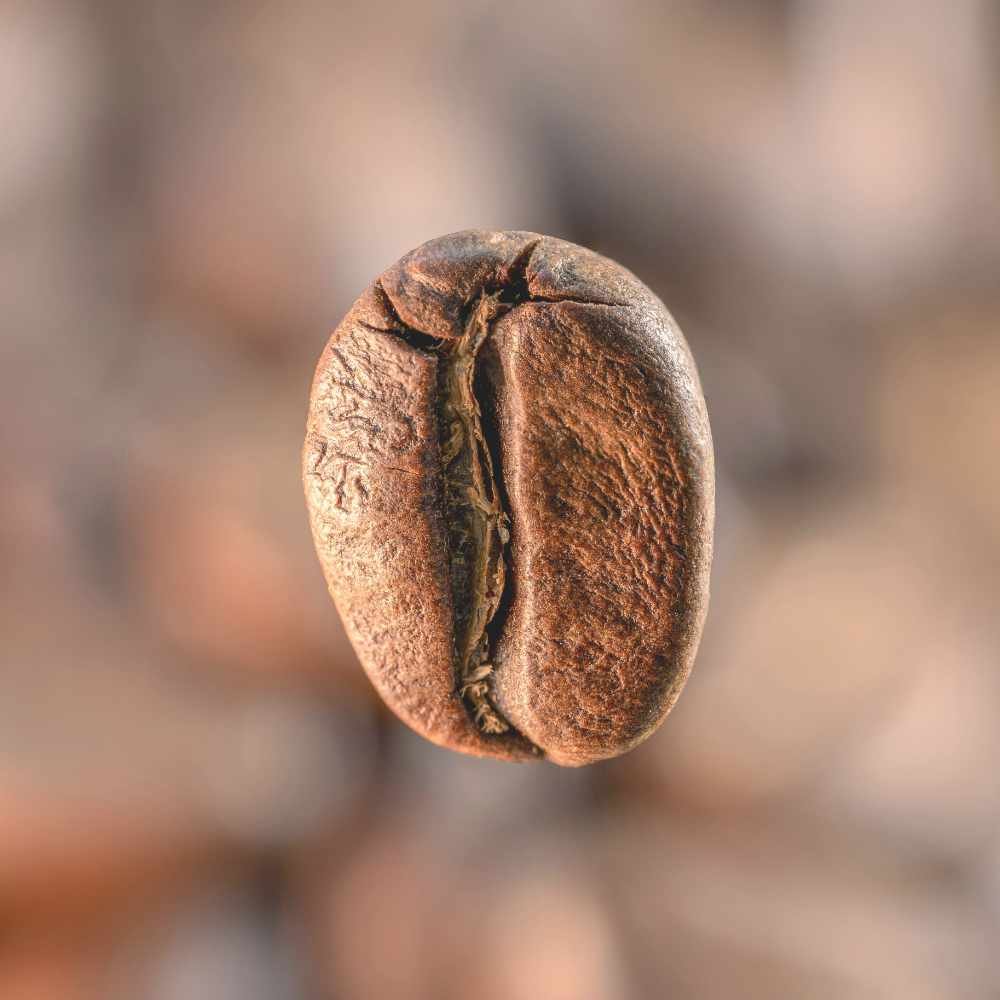
Coffee CO2 Total is obtained by extracting roasted Coffea arabica beans with carbon dioxide. “Total” means the extract retains a broad range of the bean's lipophilic constituents, fatty fraction included: a small aromatic fraction carried in a predominantly fatty matrix, not a volatile essential oil.
A select extract is a narrower, more concentrated aromatic fraction; a total extract stays closer to the whole lipophilic content of the roasted bean.
Historical Background
Coffee entered the history of chemistry long before it entered perfumery. In 1819, according to a well-known account, Goethe handed the chemist Friedlieb Ferdinand Runge a package of coffee beans; within about two years Runge had identified caffeine (Emmerich, 2014).
The systematic study of coffee aroma began in the 1920s, when Tadeus Reichstein — later a Nobel laureate — worked with Hermann Staudinger on isolating and identifying the aromatic substances of roasted coffee, a project pursued from 1922 to 1925 (Shampo et al., 2013). Reichstein showed that coffee aroma is composed of extremely complex substances, including furan and pyrrole derivatives and sulphur-containing compounds (NobelPrize.org, n.d.).
The extraction technology behind this ingredient also comes from coffee. Decaffeination drove the search for selective solvents: Ludwig Roselius patented a benzene-based process in 1905 and founded Kaffee HAG. In 1967 Kurt Zosel, at the Max Planck Institute for Coal Research, noticed that caffeine dissolves in supercritical carbon dioxide and patented his decaffeination process in 1970. In 1978 a major German roasting house began using it, and today it is applied worldwide to around 100,000 tons of raw material every year (Emmerich, 2014). Coffee CO2 extracts for perfumery rely on the same solvent: carbon dioxide.
In fine fragrance, Mugler presents Angel (1992) as the pioneer of the gourmand family (Mugler, n.d.), the olfactory family to which coffee notes belong.
Olfactory Profile
Olfactory evaluation by Fulvio Ciccolo, perfumer at Scentspiracy.
Scent Family: Gourmand–roasted, with smoky and tobacco-like facets.
Main Descriptors: Black coffee and whole roasted beans; dark and aromatic rather than sugary, turning gently sweet and smoky with vanilla-, cinnamon- and tobacco-like undertones.
Intensity: Strong and robust.
Tenacity: Long-lasting.
Volatility: Present across the whole evaporation curve: a diffusive roasted impact in the top and heart, then a smoky, softly sweet coffee tone in the drydown. The fatty fraction contributes little odor of its own.
Applications in Fine Fragrance
Coffee CO2 Total gives a dark, roasted coffee backbone that other materials can steer toward dessert, smoke or flowers.
Black-coffee gourmand — a roasted-coffee theme without an immediate confectionery effect; sweetness is built separately.
Mocha and vanilla — with cocoa and vanillic materials, it moves from dry espresso toward a softer, dessert-like accord.
Tobacco and vetiver — links roasted coffee, smoky shading and dry woody structure.
Rose and dark florals — a dark contrast beneath a floral heart, also in floral-amber compositions.
Spiced coffee — cardamom and other spices add aromatic lift to the roasted core.
Performance in Formula
Compatibility — Oil-based and emulsified systems. Its coffee-brown color tints pale or transparent bases.
Industrial & Technical Uses
Functional Perfumery — Soap.
Personal Care — Skincare, in the oil phase of emulsions and in anhydrous products.
Cosmetics — Perfume oils and solid perfumes.
Related Ingredients on Scentspiracy
Vanillin — a creamy, vanillic direction around the coffee theme.
Ethyl Maltol — caramellic sweetness for a confectionery-style coffee accord.
Cocoa Extract Pure — roasted cocoa for mocha-inspired compositions.
Cardamom Guatemala SFE CO2 Extract — an aromatic-spicy contrast for spiced coffee.
Pair Coffee CO2 Total with these materials to build coffee accords from dry espresso to mocha and spiced coffee.
☕ Perfumer's NoteFulvio Ciccolo, perfumer at Scentspiracy, sums up Coffee CO2 Total in one line: it smells of real coffee. That is why he reaches for it. When a formula needs an authentic coffee note, rather than a sweet impression of one, this is the material he works with.
FAQs
What does Coffee CO2 Total smell like?
Strong black coffee and roasted beans, with a smoky, gently sweet character and vanilla-, cinnamon- and tobacco-like nuances in the drydown.
Is Coffee CO2 Total soluble in alcohol?
No, it is soluble in oil. For a clear ethanol-based perfume, choose an alcohol-soluble coffee grade.
Is Coffee CO2 Total the same as coffee essential oil or coffee absolute?
No. A CO2 total extract carries its aroma in a predominantly fatty matrix; coffee essential oils and absolutes are produced by different processes and behave differently in formula.
Can it be used in oil-based perfumes or skincare?
Yes: oil-based perfumes, soap and skincare are its main fields of use. As with any cosmetic ingredient, the finished product needs its own safety assessment.
How much should I use in a perfume formula?
Dosage depends on the accord and the product. The material is strong: start low and adjust by trial, within the limits of its safety documentation.
Technical profile written by Scentspiracy. Sources are listed below. Last updated: October 2026.
References
Emmerich, M. (2014, August 13). Coffee decaffeination processes. Max-Planck-Gesellschaft. https://www.mpg.de/8365156/coffee-decaffeination-processes
Mugler. (n.d.). Angel Eau de Parfum. https://www.mugler.com/fragrance/angel-eau-de-parfum-perfume/M010101003.html
NobelPrize.org. (n.d.). Tadeus Reichstein – Biographical. Nobel Prize Outreach. https://www.nobelprize.org/prizes/medicine/1950/reichstein/biographical
Shampo, M. A., Kyle, R. A., & Steensma, D. P. (2013). Tadeus Reichstein—Work on hormones of the adrenal glands. Mayo Clinic Proceedings, 88(8), e85. https://doi.org/10.1016/j.mayocp.2012.01.031