Image 1 of 3
 Image 2 of 3
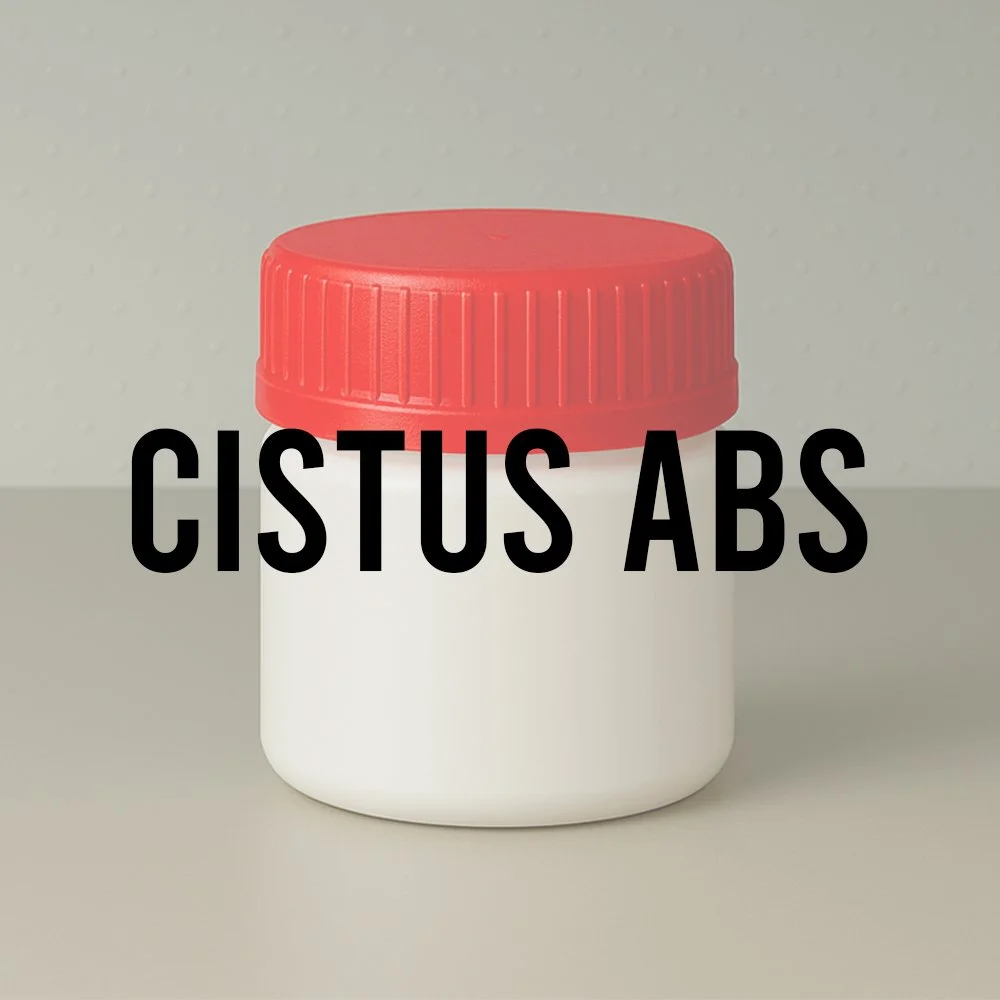 Image 3 of 3
Cistus Absolute - Technical Ingredient Overview
🏭 Manufacturer — Various natural extract producers (primarily Spain, France, Morocco, Greece)
🔎 Chemical Name — Cistus ladaniferus resin absolute
🧪 Synonyms — Labdanum absolute, Rockrose absolute, Cistus resin absolute, Labdanum gum absolute
📂 CAS Number — 8016-26-0, 84775-64-6
📘 FEMA Number — 2608 (Generally Recognized As Safe for food use)
⚖️ Molecular Weight — Complex natural mixture (rich in labdane-type diterpenes)
📝 Odor Type — Balsamic, amber, leathery
📈 Odor Strength — Very strong to powerful
👃🏼 Odor Profile — Deep, warm, and intensely balsamic with pronounced amber and leathery facets; sweet resinous character with animalic undertones reminiscent of ambergris; hints of dried fruits, burnt caramel, and honeyed warmth; herbaceous background notes; exceptionally rich, complex, and tenacious
⚗️ Uses — Fine fragrance (chypre, oriental, fougère, amber compositions), natural fixative, perfumery base notes, incense production, traditional medicine
🧴 Appearance — Dark amber to dark brown, viscous liquid or semi-solid paste at room temperature; may appear olive-green to brownish-green when derived from fresh plant material
What is Cistus Absolute?
Cistus absolute, also known as labdanum absolute, is a natural resinous extract obtained from Cistus ladaniferus L. (and related species Cistus creticus), commonly called rockrose or cistus. This Mediterranean shrub from the Cistaceae family produces a sticky, aromatic resin-gum that protects the plant from intense summer heat and drought conditions. The absolute is obtained through solvent extraction of either the crude labdanum gum (boiled from twigs and leaves) or directly from the fresh aerial plant parts (leaves and branches).
Cistus absolute represents one of perfumery's most treasured natural fixatives, prized for its remarkable resemblance to precious animalic materials—particularly ambergris and castoreum—which are now restricted or unavailable. The material's chemical complexity derives primarily from labdane-type diterpenes and their oxidative degradation products, which create the characteristic warm, ambery-balsamic profile that has made cistus absolute indispensable in classic perfumery structures (Arctander, 1960; Bauer et al., 2008).
The extraction process typically involves either: (1) solvent extraction of crude labdanum gum with alcohol or hydrocarbon solvents to produce absolute from resinoid, or (2) direct extraction of fresh plant material via concrete followed by alcohol extraction to yield absolute from concrete. The latter method, traditionally employed in southern France, produces a distinctively green-tinted absolute with a fresher, more herbaceous character compared to the amber-colored Spanish gum-derived material.
Historical Background
Cistus and labdanum possess one of the longest documented histories in perfumery and aromatic medicine, with usage dating back over 3,000 years. In ancient Egypt, labdanum was a key ingredient in kyphi, the sacred incense blend used in religious ceremonies and embalming practices. Egyptian scholar Percy Newberry theorized that the ceremonial false beards worn by pharaohs—traditionally soaked in labdanum resin—represented "labdanum-laden goat beards," symbolizing divine connection and earthly power (Newberry, 1923).
The name "labdanum" derives from the Greek ladanon or ledanon, while "cistus" comes from the Greek kistos. Ancient harvesting methods were remarkably ingenious: shepherds in Crete and throughout the Mediterranean would comb the beards and thighs of goats and sheep that grazed among cistus shrubs, collecting the sticky resin that accumulated on the animals' fur. Greek harvesters later developed specialized wooden rakes called ladanisterions—tools fitted with leather thongs instead of teeth—which were swept through the shrubs to gather resin more efficiently.
The material also appears in biblical texts, with some scholars identifying labdanum as the onycha mentioned in Exodus 30:34 as an ingredient in the holy incense, or as one of the resins (interpreted as "gum") carried to Egypt from Canaan in Genesis. Throughout medieval times, labdanum was valued both medicinally (for treating colds, coughs, and rheumatism) and as a perfume ingredient.
In modern perfumery, cistus absolute became the backbone of the chypre fragrance family—named after François Coty's revolutionary 1917 creation Chypre, which established the classic structure of bergamot, labdanum, and oakmoss that defines the genre to this day. The material's significance extends beyond chypre into virtually all classic oriental, amber, and leather compositions (Arctander, 1960; Sell, 2006).
Olfactory Profile
Scent Family: Balsamic, Amber, Oriental
Main Descriptors: Profoundly warm and balsamic with dominant ambery-resinous character; intensely sweet with leathery and animalic undertones; rich caramelic and burnt-sugar facets; dried fruit nuances (particularly dates and figs); hints of honeyed warmth and tobacco-like depth; subtle herbaceous green notes in fresher qualities; dry, woody-musky background reminiscent of ambergris
Intensity: Very strong to powerful odor strength with exceptional diffusion. One of the most potent natural perfumery materials, effective at concentrations as low as 0.1-1% in finished compositions
Tenacity: Exceptional longevity and substantivity—among the most tenacious natural materials available. Functions as an outstanding fixative, extending the life of volatile top and middle notes while providing long-lasting base character. Dry-down can persist for days on textiles and 12+ hours on skin
Volatility: Very low volatility characteristic of high-molecular-weight resinous materials. Classified as a base note with minimal evaporation even at elevated temperatures. The diterpene and sesquiterpene content provides the slow-releasing depth that makes cistus absolute ideal for anchoring fragrance structures
Fixative Role: Cistus absolute is one of perfumery's premier natural fixatives. Its complex resinous composition creates molecular binding effects that slow the evaporation of more volatile ingredients while contributing its own warm, ambery character. Historically used to replace or complement restricted animalic fixatives (ambergris, castoreum, civet), it provides both fixation and substantive olfactive impact. Blends synergistically with synthetic musks, amber bases, vanilla, benzoin, and other resinous materials to create long-lasting, well-rounded base structures.
Note on Extraction Variations: Absolute from concrete (French-style, from fresh plant material) displays a greener, more herbaceous profile with olive-green color, while absolute from resinoid (Spanish-style, from labdanum gum) shows deeper amber tones with more pronounced sweet-balsamic and caramelic character. Both types offer the signature ambery-leathery core but differ in supporting nuances.
Applications in Fine Fragrance
Cistus absolute occupies a foundational position in classical and contemporary perfumery, serving multiple critical functions:
Chypre Compositions: Core structural element alongside bergamot and oakmoss (or oakmoss replacements), providing the warm, ambery-balsamic base that defines this historic fragrance family
Oriental & Amber Accords: Essential component for creating rich, resinous oriental bases; often combined with vanilla, benzoin, opoponax, and amber bases to build complex, enveloping warmth
Leather & Animalic Notes: Provides natural leathery-animalic facets, working with birch tar, castoreum (or synthetic substitutes), and other materials to create authentic leather accords
Fougère Fragrances: Contributes depth and tenacity to aromatic fougère structures, rounding out lavender, coumarin, and oakmoss elements with warm, masculine base notes
Natural Fixative: Used across all fragrance categories to extend longevity, bind compositions, and provide substantive base character
Pairing Behavior: Cistus absolute displays extraordinary versatility, blending harmoniously with citrus oils (particularly bergamot), oakmoss and tree moss absolutes, patchouli, sandalwood, vetiver, frankincense, myrrh, vanilla, benzoin, tonka bean, synthetic musks, ionones, coumarin, and amber bases. Its sweet-balsamic warmth softens harsh or sharp notes while its leathery-animalic facets add complexity to floral and woody compositions.
Performance in Formula
In fragrance formulations, cistus absolute delivers powerful impact at modest concentrations:
Typical Usage Levels: 0.1-3% in fine fragrance concentrates (extrait de parfum), 0.5-5% in alcohol-based perfumes, up to 10% in solid perfumes and specialized oriental bases
Solubility: Alcohol-soluble when properly processed; may require warming or pre-dilution in dipropylene glycol (DPG) for easier handling. Commercial dilutions at 50% in DPG are common for improved fluidity and dosing accuracy
Color Contribution: Dark amber to brown color can impact final product appearance; "colorless" or "decolorized" absolutes are available for applications requiring lighter hues, though these may sacrifice some olfactive depth
Blending Notes: Exceptionally smooth integration into complex bases; rarely dominates unless deliberately featured. Works synergistically with both natural and synthetic materials, often improving overall cohesion and roundness of compositions
Technical Considerations: High viscosity at room temperature necessitates gentle warming (30-40°C) for pouring and dosing. The material should be protected from oxidation through proper storage in sealed containers away from light and heat. Quality varies significantly based on extraction method, source material, and processing, making supplier selection critical for consistent results.
Industrial & Technical Uses
Beyond fine fragrance applications, cistus absolute finds use in:
Incense Production: Traditional and modern incense formulations value cistus absolute for its rich, ceremonial aromatic profile and fixative properties
Aromatherapy: Employed for its grounding, centering aromatic qualities; traditionally associated with meditation and spiritual practices
Cosmetic Formulations: Added to prestige skincare products for fragrance and potential antioxidant/antimicrobial properties attributed to phenolic constituents
Historical & Medicinal Context: While not currently used in mainstream pharmaceutical applications, labdanum has traditional associations with respiratory support and topical preparations in herbal medicine systems
Regulatory & Safety Overview
IFRA Status: Cistus absolute and labdanum derivatives are not prohibited under current IFRA Standards (51st Amendment). However, the material may be subject to concentration limits in certain product categories due to the presence of naturally occurring fragrance allergens such as cinnamic alcohol, eugenol, benzyl alcohol, and other phenolic compounds. Formulators should verify current IFRA documentation and may need to declare these constituents under EU labeling requirements.
IFRA Documentation: Check current IFRA Standards Library at https://ifrafragrance.org/standards-library for specific restrictions
EU Cosmetics Regulation: Cistus absolute is permitted for use in cosmetic products under EU Regulation 1223/2009, subject to compliance with allergen labeling requirements (EU Allergen Declaration). Naturally occurring allergens present above threshold levels (typically 0.001% in leave-on products, 0.01% in rinse-off products) must be declared on product labels.
FEMA Status: FEMA #2608 - Generally Recognized As Safe (GRAS) for use as a flavoring ingredient under conditions of intended use. Labdanum derivatives have been evaluated and affirmed for flavor applications, though usage in food is far less common than in perfumery.
Safety Profile: Cistus absolute is generally well-tolerated but may cause skin sensitization in susceptible individuals, particularly those sensitive to balsamic materials or naturally occurring phenolic compounds. The primary safety considerations relate to:
Dermal Sensitization: Potential allergen due to naturally occurring fragrance compounds (cinnamic alcohol, eugenol)
Skin Irritation: High concentrations may irritate sensitive skin; appropriate dilution recommended
Phototoxicity: Not classified as phototoxic; does not contain significant furanocoumarins
Proper formulation practices, including appropriate dilution and adherence to usage guidelines, ensure safe consumer use.
References
Arctander, S. (1960). Perfume and flavor materials of natural origin. Elizabeth, NJ: Published by the author.
Bauer, K., Garbe, D., & Surburg, H. (2008). Common fragrance and flavor materials: Preparation, properties and uses(5th ed.). Weinheim: Wiley-VCH.
Newberry, P. E. (1923). The pig and the cult-animal of Set. Journal of Egyptian Archaeology, 9(3/4), 211-225.
Sell, C. S. (2006). The chemistry of fragrances: From perfumer to consumer (2nd ed.). Cambridge: Royal Society of Chemistry.
International Fragrance Association. (2023). IFRA Standards Library (51st Amendment). Retrieved from https://ifrafragrance.org/standards-library
European Commission. (2009). Regulation (EC) No 1223/2009 of the European Parliament and of the Council on cosmetic products. Official Journal of the European Union.
Flavor and Extract Manufacturers Association. (n.d.). FEMA GRAS assessment: Labdanum absolute. Retrieved from https://www.femaflavor.org/flavor-library