 Image 1 of 2
 Image 2 of 2
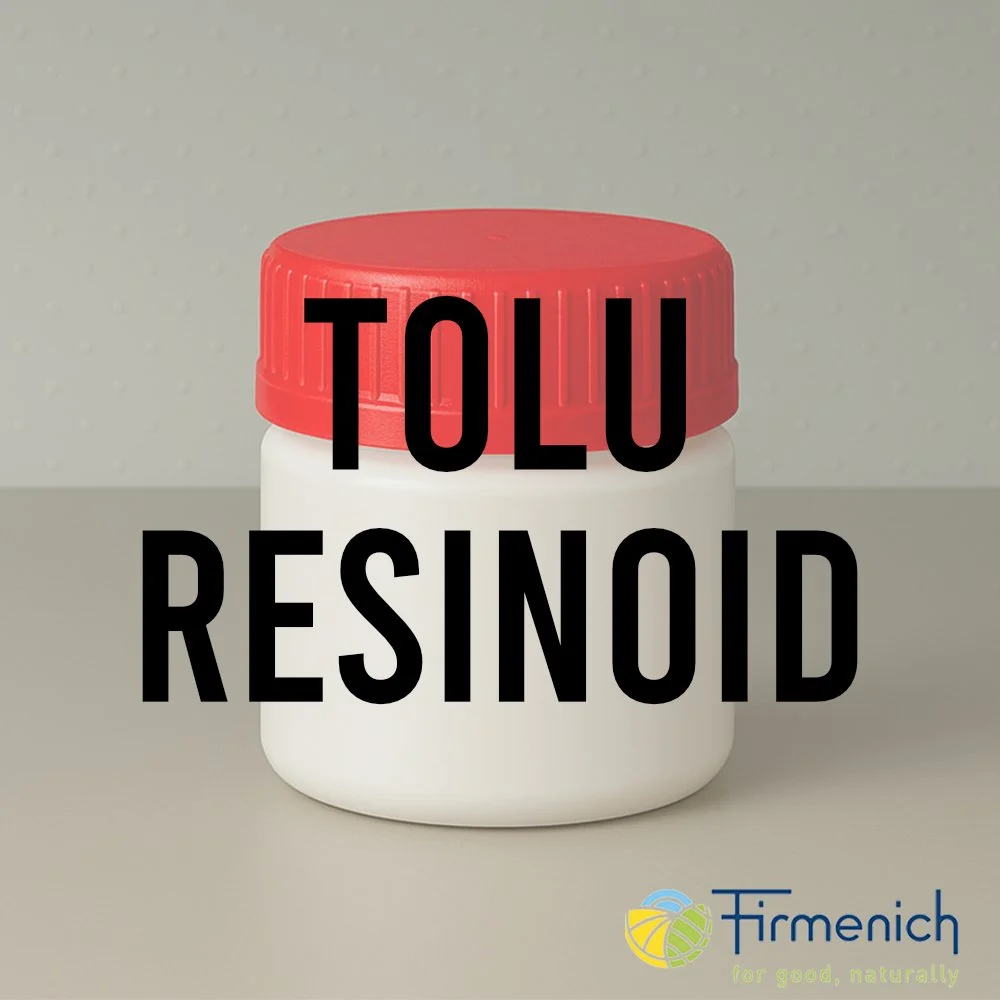
Peru Balsam Resinoid (8007-00-9) Technical Ingredient Overview
🏭 Manufacturer — Firmenich
🔎 Botanical Name — Myroxylon pereirae Klotzsch (syn. Myroxylon balsamum var. pereirae)
🧪 Synonyms — Balsam Peru, Peruvian Balsam, Myroxylon resin, Black Balsam
📂 CAS Number — 8007-00-9
📘 FEMA Number — 2116 (GRAS status for flavor use)
⚖️ Molecular Weight — Not defined (complex natural mixture)
📝 Odor Type — Balsamic
📈 Odor Strength — Medium to strong intensity with exceptional tenacity
👃🏼 Odor Profile — Rich, sweet balsamic with pronounced cinnamic warmth, vanillin-like sweetness, subtle smokiness, gentle spice notes, and powdery texture
⚗️ Uses — Premier fixative and base note for oriental, amber, floral, and gourmand compositions; enhances longevity and depth
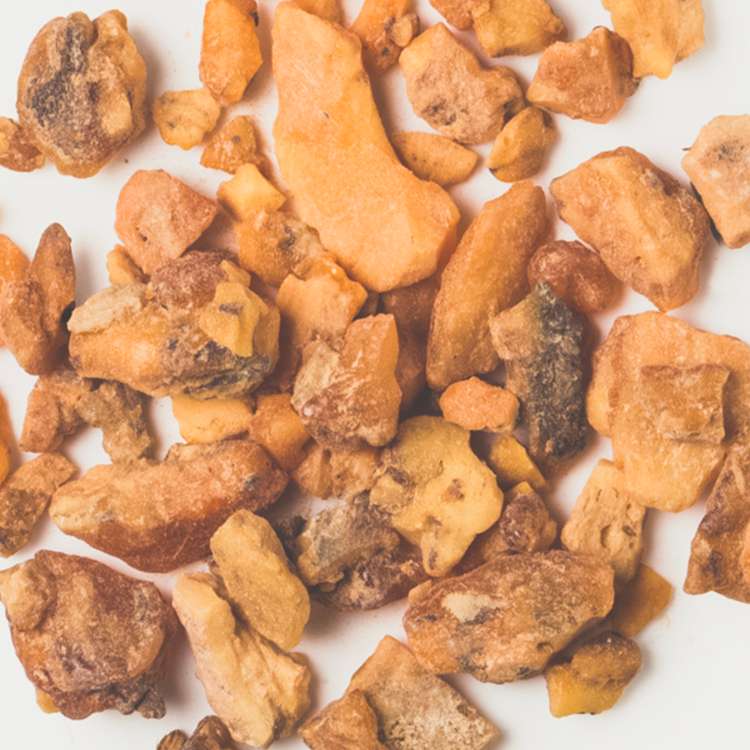
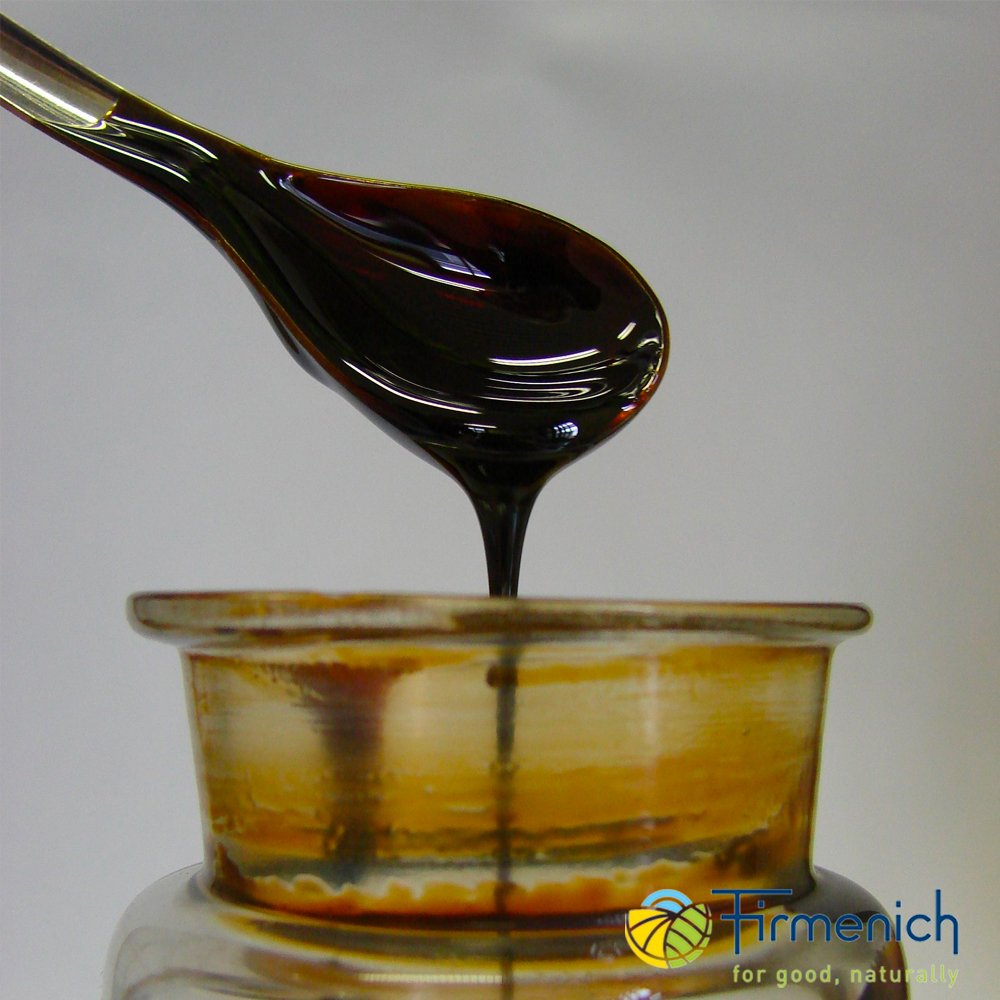
🧴 Appearance — Dark brown to reddish-brown, viscous liquid (semi-solid at lower temperatures)
What is Peru Balsam Resinoid?
Peru Balsam Resinoid is a natural oleoresin extracted from the trunk of Myroxylon pereirae, a large tree native to Central America. This balsamic material is obtained through a traditional harvesting method where the bark is removed in sections, causing a pathological exudation from the wounded trunk. The crude balsam is collected and purified through boiling in water to remove debris, then further processed via solvent extraction or alcohol clarification to produce the commercial resinoid form (Arctander, 1961).
The resinoid consists primarily of high-boiling esters of benzoic and cinnamic acids, including benzyl benzoate (the major constituent at approximately 50% or more) and benzyl cinnamate, along with vanillin, nerolidol, and free cinnamic and benzoic acids (de Groot, 2019; Surburg & Panten, 2006). This complex chemical composition creates its characteristic warm, sweet-balsamic character with exceptional fixative properties.
Despite its name, Peru Balsam is primarily sourced from El Salvador rather than Peru, with production also occurring in Honduras, Guatemala, Nicaragua, and Costa Rica (de Groot, 2019). The material has been used for centuries in both perfumery and traditional medicine.
Historical Background
Peru Balsam has an extensive history dating back to pre-Columbian times, when indigenous peoples of Central America used the balsam for medicinal purposes, particularly for wound healing and as an antiseptic. The material gained prominence in Europe during the Spanish colonial period when it was imported through the port of Callao in Peru, which gave the balsam its misleading geographic designation (Arctander, 1961).
By the 19th century, Peru Balsam had become established in European perfumery and pharmaceutical practices. It was extensively used in topical medicinal preparations, ointments, and wound dressings due to its reported antiseptic and tissue-regenerating properties. However, its use in medicinal applications declined significantly after concerns about allergenic constituents emerged in the mid-20th century.
The International Fragrance Association (IFRA) first addressed Peru Balsam crude in 1974, prohibiting its use as a fragrance ingredient due to sensitization concerns. Modern perfumery primarily uses solvent-extracted or distilled derivatives (resinoids, absolutes, and oils) rather than the crude balsam, though these extracts remain subject to strict concentration limits (IFRA, 2020).
Olfactory Profile
Scent Family: Balsamic-Oriental
Main Descriptors:
Top notes: Sweet-balsamic opening with cinnamic (cinnamon-like) warmth
Heart notes: Rich vanilla-like sweetness (vanillin), powdery texture with soft spice
Base notes: Deep resinous warmth, subtle smokiness (depending on production method), gentle leather facets
Intensity: Medium to strong with outstanding tenacity
Tenacity: Exceptional longevity, lasting over 400 hours on a smelling strip; functions as one of the most effective natural fixatives
Volatility: Low volatility, classified as a base note material. While primarily functioning in the dry-down phase, its spicy-cinnamic character can influence middle accords when used at higher concentrations (3-5% in compound)
Fixative Role: Peru Balsam Resinoid is renowned as one of the most powerful natural fixatives in perfumery. It not only extends the longevity of volatile top and middle notes but also adds substantial depth, warmth, and complexity to the overall composition (Arctander, 1961).
Applications in Fine Fragrance
Peru Balsam Resinoid serves multiple functions in perfume creation:
Primary Applications:
Oriental and Amber bases: Provides essential depth and balsamic warmth
Floral enhancements: Enriches rose, jasmine, ylang-ylang, heliotrope, gardenia, tuberose, and carnation accords
Gourmand compositions: Contributes vanilla-like sweetness and complexity
Tobacco and leather accords: Adds smooth balsamic sweetness to counterbalance dry, smoky notes
Notable Pairings:
Works exceptionally well with patchouli, sandalwood, labdanum, benzoin, and tonka bean
Complements floral notes like ylang-ylang, petitgrain, and rose
Enhances spice materials including cinnamon, clove, and nutmeg
Pairs beautifully with vanillin, heliotropine (piperonal), ionones, and nitro musks
Typical Usage Levels: 0.5-5% in fine fragrance compounds, though concentrations are limited by IFRA restrictions in finished products
Performance in Formula
Peru Balsam Resinoid exhibits excellent blending characteristics. It is readily soluble in ethanol and most perfume materials, though it may cause turbidity in clear formulations if not properly dissolved. The dark brown color can limit use in products requiring clarity or whiteness.
The resinoid demonstrates exceptional stability and improves further when blended with other fixative materials such as labdanum absolute or oakmoss. However, formulators should be aware that the natural resins can slowly deposit in certain carrier systems, potentially clogging spray mechanisms in aerosol applications.
In soap perfumery and detergent fragrances, Peru Balsam performs reliably in alkaline conditions, though some loss of the more delicate top notes may occur.
Industrial & Technical Use
Beyond perfumery, Peru Balsam has limited but specific applications:
Flavor industry: FEMA GRAS status (2116) permits use in food flavoring at very low concentrations, primarily in chocolate, vanilla, and baked goods applications, despite its characteristically bitter taste (Rietjens et al., 2020)
Historical pharmaceutical use: Previously used extensively in topical ointments, wound dressings, and antiseptic preparations, though modern medical use is minimal due to sensitization concerns
Traditional medicine: Still employed in some regions for its reported dermatological and antimicrobial properties
Regulatory & Safety Overview
IFRA Status:
Crude Peru Balsam: Prohibited for use as a fragrance ingredient in any finished product (IFRA Standard, Amendment 49, 2020)
Peru Balsam extracts and distillates (resinoids, absolutes, oils): Restricted with maximum concentrations varying by product category. For example:
Category 4 (Fine fragrance): 0.41% maximum in finished product
Category 5 (Body lotions, creams): 0.10% maximum
Category 11 (Rinse-off products): 0.034% maximum
Full IFRA Standard available at: https://ifrafragrance.org/standards/IFRA_STD_071.pdf
EU Cosmetics Regulation 1223/2009: Peru Balsam derivatives are permitted but subject to concentration restrictions due to allergenic constituents
FEMA Status:
FEMA No. 2116: GRAS (Generally Recognized As Safe) for use as a flavor ingredient under specified conditions
Available at: https://www.femaflavor.org/flavor-library/balsam-peru-myroxylon-pereirae-klotzsch
Safety Considerations:
Dermal sensitization: The primary safety concern is contact sensitization. Sensitization rates of 4-8% have been observed in patients tested for contact dermatitis (de Groot, 2019)
Known allergens present in Peru Balsam include:
Benzyl benzoate (CAS 120-51-4)
Benzyl cinnamate (CAS 103-41-3)
Cinnamic acid and its esters
Benzoic acid and its esters
Benzyl alcohol (CAS 100-51-6)
Vanillin (CAS 121-33-5)
Patch testing: Recommended before use in leave-on cosmetic products for sensitive individuals
Systemic toxicity: Low oral toxicity in animal studies, though CNS effects have been observed at high doses
Quality Control:
Authentication: Verification through olfactory evaluation and GC-MS analysis
Adulteration risks: Common adulterants include synthetic benzyl benzoate, benzyl cinnamate, vanillin, castor oil, and other high-boiling solvents
Solubility: Soluble in ethanol and chlorinated solvents; poorly soluble in petroleum ether and aliphatic hydrocarbons
Additional Information
Main Collection Region: El Salvador (primary producer), with additional sources in Honduras, Guatemala, Nicaragua, and Costa Rica
Extraction Methods:
Traditional: Water purification of crude balsam
Modern: Solvent extraction (typically ethanol or ethyl acetate) or vacuum distillation to produce resinoid, absolute, or oil
Sustainability Notes: Harvesting involves wounding the tree bark, which can impact tree health if not managed sustainably. Responsible sourcing from certified suppliers is recommended.
Storage: Store in tightly sealed containers away from light and heat. The material is stable under normal storage conditions but may thicken at low temperatures.
References
Arctander, S. (1961). Perfume and flavor materials of natural origin. Published by the author.
de Groot, A. (2019). Myroxylon pereirae resin (balsam of Peru) – A critical review of the literature and assessment of the significance of positive patch test reactions and the usefulness of restrictive diets. Contact Dermatitis, 81(2), 75-85. https://doi.org/10.1111/cod.13263
International Fragrance Association. (2020). IFRA Standard: Peru balsam (Amendment 49). Retrieved from https://ifrafragrance.org/standards/IFRA_STD_071.pdf
Rietjens, I. M. C. M., Cohen, S. M., Eisenbrand, G., Fukushima, S., Gooderham, N. J., Guengerich, F. P., Hecht, S. S., Rosol, T. J., Davidsen, J. M., Harman, C. L., Murray, I. J., & Taylor, S. V. (2020). FEMA GRAS assessment of natural flavor complexes: Cinnamomum and Myroxylon-derived flavoring ingredients. Food and Chemical Toxicology, 138, 111169. https://doi.org/10.1016/j.fct.2019.111169
Surburg, H., & Panten, J. (2006). Common fragrance and flavor materials: Preparation, properties and uses (5th ed.). Wiley-VCH.