Tabanone: The Secret That Makes Tobacco Notes Irresistible
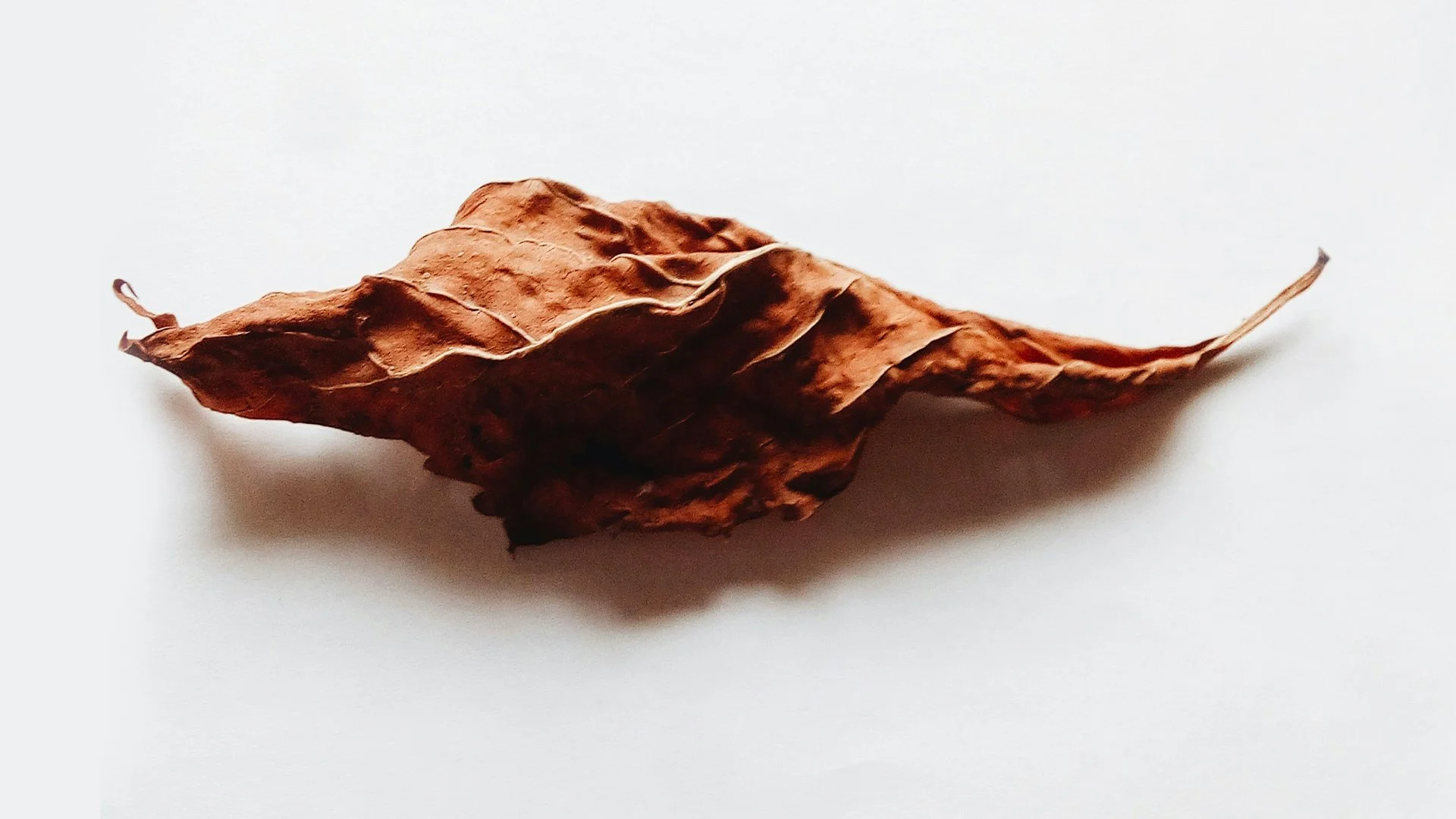
In the world of modern perfumery, there are ingredients that remain in the shadows yet possess extraordinary power. Tabanone is one of these: a synthetic material that has revolutionized how we perceive and create tobacco notes in contemporary fragrances.
The Historic Proclamation: A "Product of Supreme Importance"
In 1985, renowned perfumer and fragrance chemistry expert Arcadi Boix Camps made an extraordinary declaration that would prove prophetic. Writing about Tabanone, he described it as "a product of supreme importance both in the perfumery of the future and the chemical composition of today's tobacco." His enthusiasm was palpable: "It has indescribable tobacco scents, is fruity, radiant, powerful and brilliant. Its use may lead us to a new era in perfumery."
But what elevated this praise to legendary status was his bold comparison: "I have no hesitation in placing this aromatic chemical among the elite of the chemical products that include Hedione, the irones, the Damascones, and theaspirane."
To place Tabanone alongside Hedione, the molecule that defined modern fresh florals and the damascones that revolutionized rose reconstitution, was to recognize it as a game-changer. Nearly four decades later, Boix Camps' assessment has proven remarkably accurate.
From Natural Tobacco to Synthetic Perfection
The Challenge of Natural Tobacco
For centuries, perfumers seeking tobacco notes faced significant challenges with natural tobacco leaf absolutes:
Dark brown color prohibitive for many applications
High cost and supply variability
Overwhelming complexity sometimes too heavy for modern compositions
Regulatory considerations around tobacco-derived materials
Enter Megastigmatrienone
Tabanone, chemically known as megastigmatrienone (CAS 13215-88-8), emerged from systematic research into carotenoid-derived fragrance molecules—the same research program that yielded damascones, ionones, and other revolutionary materials. Scientists discovered that this compound occurs naturally as a key volatile flavor component in cured Virginia tobacco leaves, where it contributes significantly to tobacco aroma.
The breakthrough came when Symrise developed efficient synthetic routes to produce megastigmatrienone, typically through the dehydration of 3-oxo-α-ionol. This synthetic approach provided:
Consistent quality without natural variability
Clean, refined character free from harsh, acrid notes
Cost-effectiveness despite requiring minimal usage
Versatility across multiple fragrance families
Extraordinary Olfactory Power
Tabanone represents one of the most significant innovations in synthetic aromatics. Its particularity lies in exceptional olfactory potency: minimal traces—often just 0.1-1% in final compositions—are enough to achieve enormous impact.
The Olfactory Profile
What perfumers smell in Tabanone is something quite unique:
Primary Character:
Warm, dry-sweet tobacco reminiscent of cured Virginia leaf
Sweet acorn and fruity-plum notes
No harsh, acrid, or overtly smoky aspects
Secondary Facets:
Balsamic, honey-like sweetness
Soft leather undertones (refined, suede-like)
Subtle apricot-like stone fruit warmth
Background Complexity:
Spicy, nutty nuances
Cedary-woody depth
Faint caramel and metallic touches
This is what perfumers call "blond tobacco"—the warm, slightly sweet, honey-balsamic character of fine cured tobacco without heaviness or dated associations.
The Art of Synthetic Tobacco
What makes Tabanone particularly beloved is its ability to capture the essence of tobacco in a purer and more controllable way than natural extracts. As a key component in tobacco perfume chemistry, megastigmatrienone plays one of the main roles in creating the characteristic tobacco aroma.
Beyond Simple Tobacco
The versatility of this material goes beyond tobacco notes. Used as a heart note amplifier, it enhances:
Aromatic compositions - Adding warmth without sweetness
Leather fragrances - Contributing refined suede-like facets
Floral accords - Creating sophisticated tobacco-floral contrasts
Woody-ambery bases - Providing cedary-woody depth
This ability to harmonize with different olfactory families makes it a precious tool in the hands of master perfumers. It has a floral quality that makes it usable even in champaca magnolia accords, demonstrating its surprising versatility.
The Symrise Legacy: De Laire Tobacco Renaissance
One of the most fascinating chapters in Tabanone's history involves the revival of the legendary De Laire perfume bases. In 2010, Symrise perfumers discovered their company owned the historic de Laire bases, formulas that had been dormant for years. After visiting the Osmothèque and smelling 34 extraordinary survivors, they embarked on relaunching these classics for modern perfumery.
Discover more about HERE 👈🏽
Tabac Bourbon DL: A Masterpiece
The Tabac Bourbon de Laire base showcases Tabanone at its finest, using the proprietary "Tabanone Coeur" (heart) grade. This sophisticated tobacco accord combines:
High percentage of special Bourbon vanilla absolute
Madagascar cinnamon for soft sweetness
Tabanone Coeur for dried tobacco leaf character
Tonkalactone (Symrise captive) for addictive roundness
Liquorous features for depth
What's remarkable: this "Grand Cru" tobacco contains no actual tobacco extracts, just the artful combination of natural vanilla, cinnamon, and Tabanone's synthetic tobacco magic.
The Allure of Olfactory Complexity
What distinguishes Tabanone from other materials is its multidimensional olfactory profile. Perfumers consider it essential for an authentic tobacco note, capable of providing the necessary sweetness and a strong cigar/pipe character.
Mastery in Dosage
Its intensity requires mastery: it is so powerful that you don't need much to have a great influence on the composition. This characteristic makes it valuable not only for its effectiveness but also for its economy of use. The material's radiance and diffusion are extraordinary—even at trace concentrations, Tabanone projects powerfully, creating an "aura" around the fragrance.
This potency, combined with its longevity, makes it a valuable investment for any perfumery creation. On blotters, it can remain detectable for days; on skin, for many hours.
An Ingredient for Excellence
Tabanone's success in the contemporary perfumery landscape stems from its ability to meet modern needs while maintaining olfactory authenticity.
Where Tobacco Shines
Tobacco in perfumery adds:
Warmth and personality to any fragrance
Elegance in spicy oriental perfumes
Balance with sweet gourmand notes
Depth in woody and earthy compositions
The Modern Advantage
Tabanone doesn't simply reproduce the smell of tobacco: it interprets it, refines it, makes it accessible in compositions where natural extract might be too overwhelming or unstable. It transforms potential heaviness into sophisticated elegance.
The Secret Ingredient of Great Perfumes
For experienced perfumers, Tabanone represents much more than a simple ingredient: it's a tool for artistic expression. Its ability to transform a composition with minimal dosages makes it particularly appreciated in an era where perfumery art seeks the perfect balance between olfactory impact and refinement.
The Magic Behind the Curtain
Tobacco in perfumery creates intoxicating compositions, where enchanting smoke envelops with its mysterious charm, awakening the senses and transporting toward unforgettable olfactory horizons. Tabanone is often the secret behind this olfactory magic.
Many perfumes you love for their warm, balsamic, subtly tobacco-tinged drydowns likely owe their character to this remarkable molecule working quietly in the background.
Technical Details for the Curious
For those interested in the science:
Chemical Name: 4-(2-Butenylidene)-3,5,5-trimethylcyclohex-2-en-1-one
Also Known As: Megastigmatrienone, 4,6,8-Megastigmatrien-3-one
CAS Number: 13215-88-8
Molecular Weight: 190.28 g/mol
FEMA Status: 4663 (GRAS approved for controlled flavor use)
IFRA Status: Permitted without restrictions (Amendment 51)
Primary Manufacturer: Symrise
The material exists as a mixture of geometric isomers (E,E and E,Z configurations), which contributes to its radiant and layered olfactory profile.
Conclusion: The Evolution of Perfumery Art
Tabanone represents the evolution of perfumery art: the ability to capture and perfect nature through science. Its popularity among perfumers stems not only from its potency but from its capacity to elevate any composition, transforming simple accords into memorable olfactory experiences.
In a world where authenticity is increasingly sought after, Tabanone demonstrates that chemical synthesis, when it reaches excellence, can create genuine and lasting emotions. From Arcadi Boix Camps' prophetic 1985 proclamation to today's de Laire renaissance, this molecule has proven itself worthy of its place among perfumery's elite materials.
This is why it continues to be one of the most beloved and respected ingredients in the contemporary perfumery landscape, a testament to the power of scientific innovation in service of artistic expression.
📖 Want to dive deeper into the technical details?
Explore our comprehensive Tabanone Technical Overview for complete chemical data, olfactory analysis, regulatory information, and practical formulation guidelines.
References
Boix Camps, A. (1985). Perfumery: Techniques in evolution. Perfumer & Flavorist, 29(5), 54-70.
Bon Parfumeur. (2023, August 17). Tobacco in perfumery. Retrieved from https://www.bonparfumeur.com/blogs/journal/tobacco-in-perfumery
Fragrantica. (n.d.). Tobacco perfume ingredient, Tobacco fragrance and essential oils. Retrieved from https://www.fragrantica.com/notes/Tobacco-96.html
Scentspiracy. (n.d.). Tabanone (13215-88-8) - Synthetic Ingredient for Perfumery. Retrieved from https://www.scentspiracy.com/fragrance-ingredients/p/tabanone
Alpha Aromatics. (2023, July 25). The Luxurious Sensual Fragrance Of Tobacco In Perfumery. Retrieved from https://www.alphaaromatics.com/blog/tobacco-in-perfumery/
Slaghenaufi, D., Perello, M.-C., Marchand, S., & de Revel, G. (2016). Quantification of megastigmatrienone, a potential contributor to tobacco aroma in spirits. Food Chemistry, 203, 41–48. https://doi.org/10.1016/j.foodchem.2016.02.034